
 Lifan Celliya
Specs, engines and history
Updated Published Sources (2) Report an error
By Oleksandr Hnatiuk, Automotive Editor & Used Car Specialist Reviewed by Felix Hartmann
- Built
- 2013–2018
- Top power
- 76 kW (103 PS)
Which Lifan Celliya to buy, and is it worth it?
Our verdict · Oleksandr Hnatiuk
The Celliya makes sense only as a cheap used car for short trips, and only where Lifan parts are still easy to get. Choose the five-speed manual, which is simpler than the CVT, and look for a car with a documented service history. Check the body for rust, the condition of the rear drum brakes and the operation of the electrics. If parts are hard to find in your area, a Kia Rio or Dacia Logan of the same age is the safer buy.
The company's own story, from motorcycles to bankruptcy and the Geely-backed Livan brand, is told in Lifan's history, and every Lifan model is listed in the Lifan catalogue.
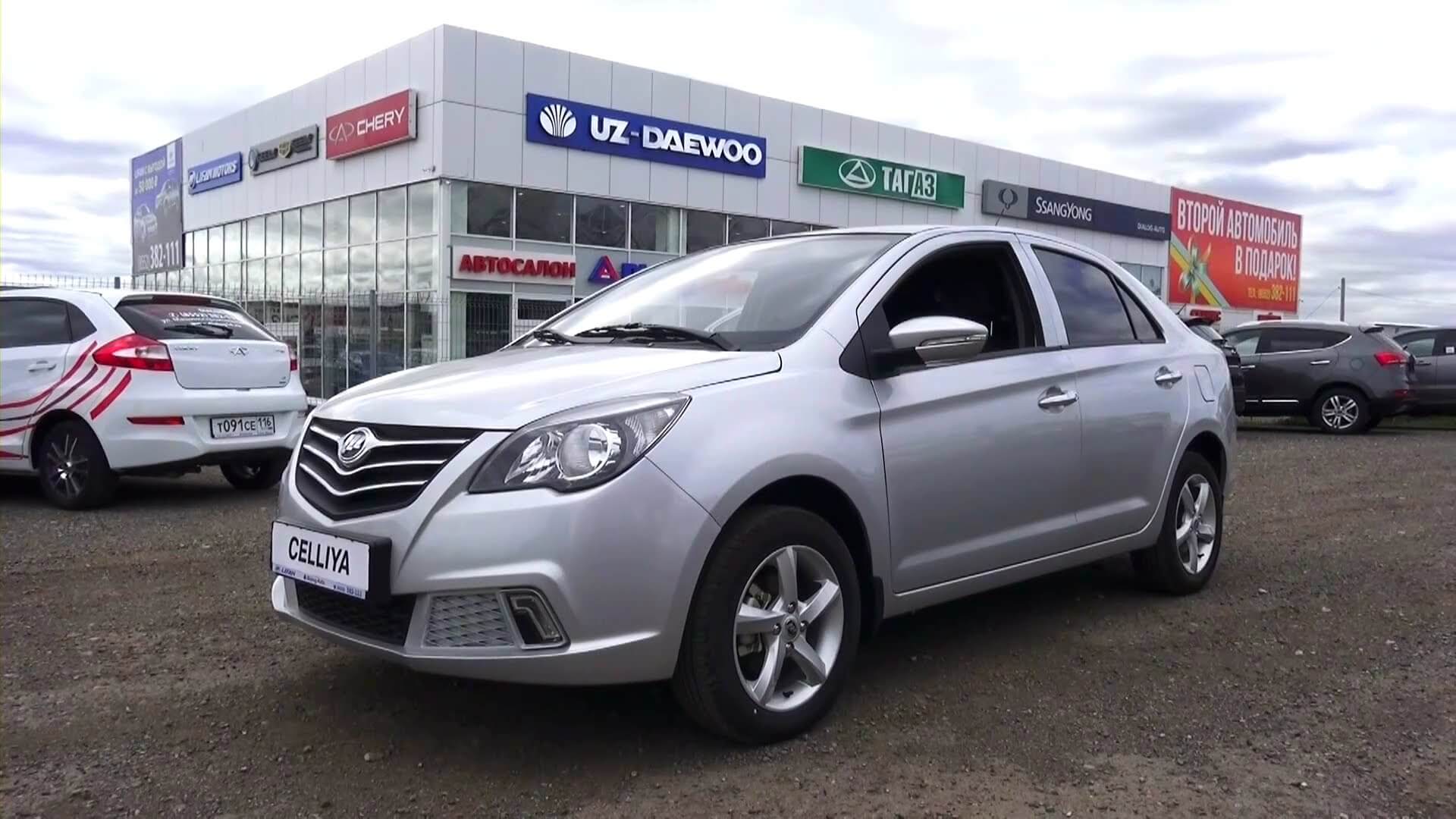
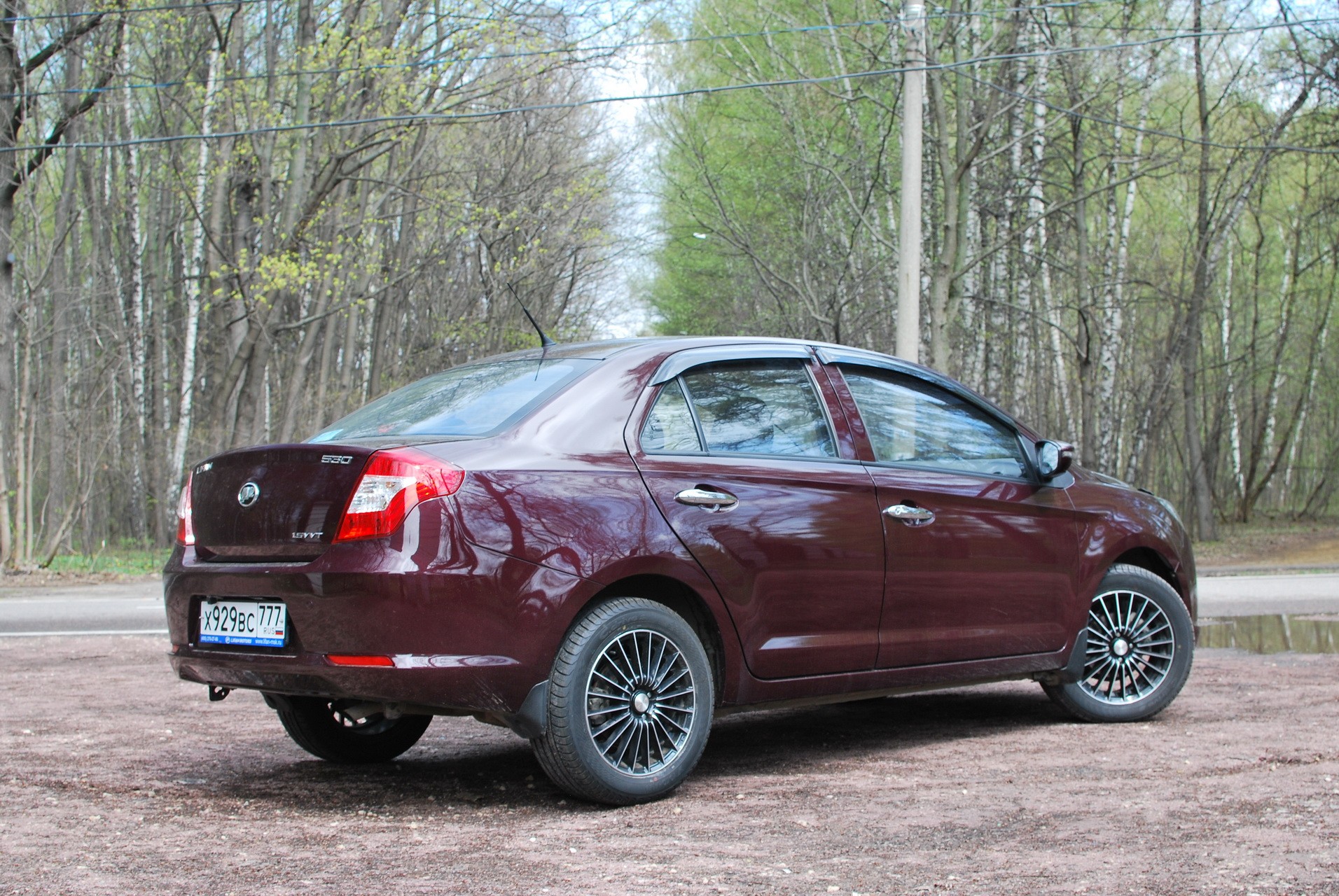
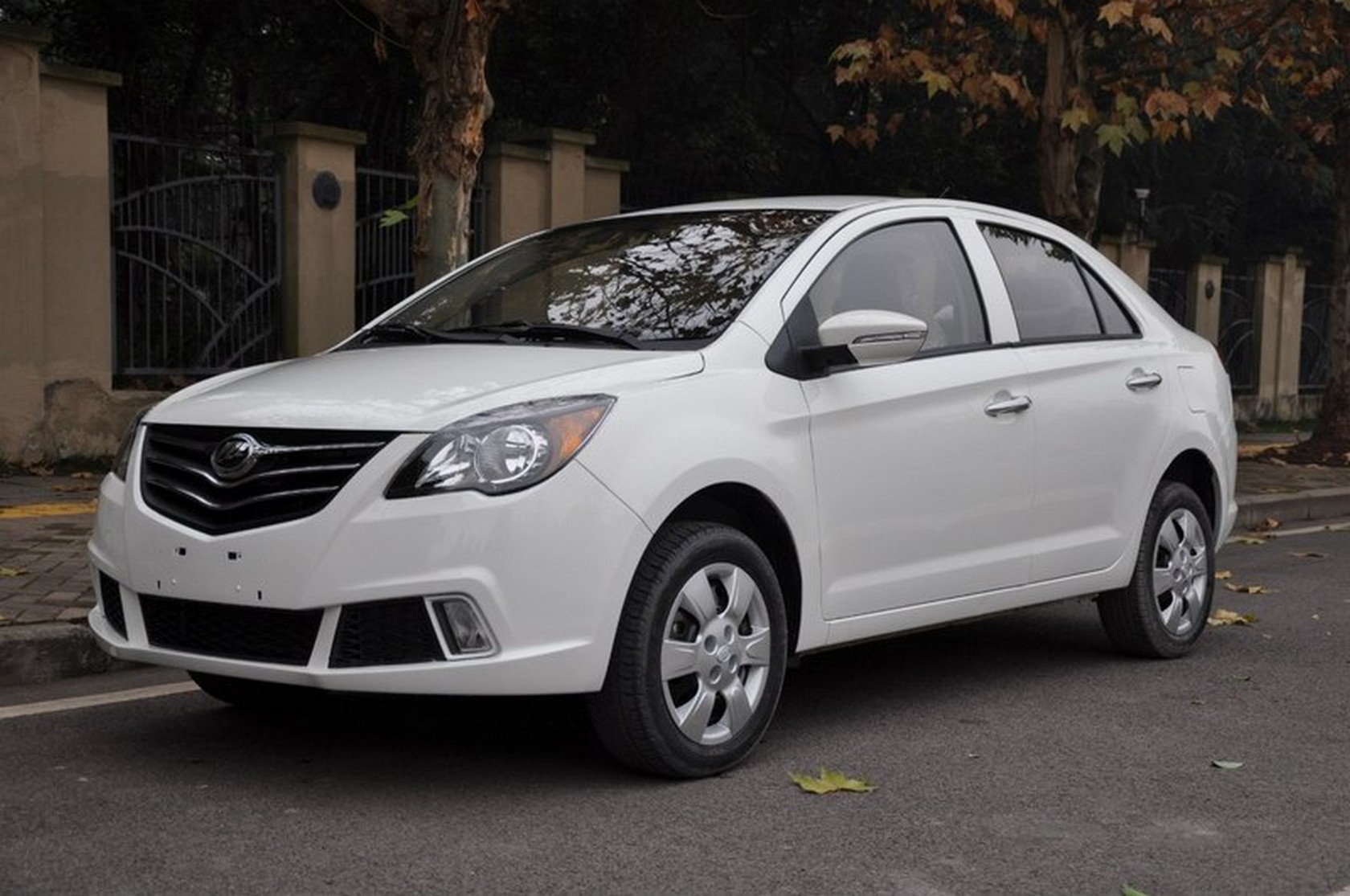
The Lifan Celliya is the export name of the Lifan 530, a small four-door saloon built by China's Lifan in Chongqing from 2013 to 2018. It replaced the Lifan 520, used a 1.5-litre petrol engine with 76 kW (102 hp) and was offered with a five-speed manual gearbox or a CVT. At 4,300 mm long, it competed with budget saloons such as the Kia Rio and Dacia Logan.
In short
- Shown as a concept at the Guangzhou show in November 2011; launched as the Lifan 530 in Shanghai in April 2013 and on sale in China from October 2013.
- Also sold as the Kantanka Amoanimaa in Ghana.
- One engine: 1.5-litre four-cylinder petrol, 76 kW (102 hp), front-wheel drive.
- Production ended in 2018; Lifan's car business later passed to a Geely-backed company.

Specs by version
Performance
Show all 1 versions
| Version | 0–100 km/h | Top speed |
|---|---|---|
| 1.5 76 kW (103 PS) Sedan | 14.7 s 0–62 mph | 175 km/h109 mph |
Dimensions and weight
Show all 1 versions
| Version | Boot |
|---|---|
| 1.5 76 kW (103 PS) Sedan | 472 l16.7 cu ft |
Verified Manufacturer and type-approval data from our catalog · Sources and methodology
Key facts at a glance

| Fact | Value |
|---|---|
| Other names | Lifan 530 (China), Kantanka Amoanimaa (Ghana) |
| Segment | Subcompact (B-segment) saloon |
| Body | Four-door saloon |
| Plant | Chongqing, China |
| Production | 2013–2018 |
| Engine | 1.5 l petrol, 76 kW (102 hp) |
| Gearbox | Five-speed manual; CVT from the 2013 market launch |
| Drive | Front-wheel drive |
| Predecessor | Lifan 520 (2006–2012) |
From the Lifan 520 to the Celliya
The Lifan 520 was the company's first saloon. Shown at the Beijing show in 2006, it used a chassis based on the 1991 Citroën ZX and engines from 65 to 85 kW, including a 1.6 Tritec unit also used in the BMW-era Mini. A five-door hatchback, the 520i, joined the saloon, and the car was sold in several export markets until 2012.
Its successor appeared first as a concept, still called the Lifan 520, at the Guangzhou show in November 2011. The production car was launched as the Lifan 530 at the Shanghai show in April 2013 and went on sale in China in October 2013. Celliya was the name used for the same saloon in export markets. The old 1cars text describes it as a direct replacement for the 520, with a reworked body, a new interior and the same family of engines with some changes.
Observers noted that its design was clearly inspired by the Toyota Vios of that period. The two cars have similar dimensions and an almost identical side profile.
1.5 engine, gearbox and performance
| Parameter | Metric | Imperial |
|---|---|---|
| Engine | 1.5 l four-cylinder petrol | 91.5 cu in |
| Power | 76 kW | 102 hp |
| Gearbox | Five-speed manual or CVT | – |
| 0–100 km/h (manual) | 14.7 s | 0–62 mph |
| Top speed | 175 km/h | 109 mph |
| Combined fuel use | 6.4 l/100 km | 36.8 mpg (US) |
The performance and fuel figures are Lifan's own data quoted by the old 1cars text. With 76 kW, the Celliya is slow by modern standards but adequate in town. The CVT suits city driving; the manual is the simpler and more durable choice. The suspension is conventional: MacPherson struts at the front and a torsion beam at the rear, with front disc and rear drum brakes.
Size, interior and boot
| Dimension | Metric | Imperial |
|---|---|---|
| Length | 4,300 mm | 169.3 in |
| Width | 1,690 mm | 66.5 in |
| Height | 1,490 mm | 58.7 in |
| Wheelbase | 2,550 mm | 100.4 in |
| Boot (Lifan data) | about 472 l | 16.7 cu ft |
By our calculation, the Celliya is 70 mm shorter than the Lifan 520 but has a 10 mm longer wheelbase, so the overhangs shrank while cabin length grew slightly. The boot of about 472 litres, quoted in the old 1cars text, is generous for a car of this length.

The old 1cars review was less kind about the interior. It found the two-tone dashboard plain and the centre console dull, although the instruments had a modern look and the front panel lines were softer than in the 520. Lifan also promised better sound insulation and door seals.
Running costs
The official combined figure of 6.4 l/100 km makes the Celliya cheap to fuel, and the simple 1.5 engine is easy to service. The bigger costs for an owner today are parts supply and resale value. Lifan stopped making cars under its own name, so body panels and trim can be hard to find outside China. Check what fuel would cost for your mileage with the 1cars fuel cost calculator.

Trims and equipment
The Celliya was sold in two levels of equipment, with the CVT on the higher version. According to the old 1cars text, standard equipment included front airbags, ABS with brake-force distribution, fog lights, air conditioning, electric windows front and rear and a basic MP3 audio system. Higher-strength steel in the body and better materials were among the changes Lifan advertised against the 520.

In China the Lifan 530 started at 51,800 yuan and reached 69,800 yuan at launch. By our conversion at the late-2013 exchange rate, that is about EUR 6,200 to 8,400.
Crash tests and safety: what is known
We found no Euro NCAP or other European crash-test result for the Celliya or the Lifan 530. Front airbags and ABS with EBD were standard, according to the old text; it does not list side airbags or stability control. Buyers who put safety first should choose a car with a published crash-test rating.

Rivals compared: Rio, Logan, Emgrand and Vios
| Model | Engines | How it differs from the Celliya |
|---|---|---|
| Kia Rio saloon | 1.4–1.6 petrol | Better build and crash-test record |
| Dacia Logan | Petrol and diesel | Simpler, better parts supply in Europe |
| Geely Emgrand | 1.5–1.8 petrol | Larger, more equipment |
| Toyota Vios | 1.3–1.5 petrol | The design that inspired the Celliya |
| Lifan Solano | Petrol | Lifan's bigger saloon |
The Celliya's case rests on its low price and its roomy boot. Against established rivals it loses on safety equipment, refinement and long-term parts supply. Put any two of these cars side by side with the 1cars comparison tool.


Lifan Celliya in our rankings
- No. 119 of 321 · Biggest boot: cars (472 l · top 38%)
- No. 36 of 67 · Biggest boot: sedans (472 l · top 54%)
- No. 45 of 61 · Fastest sedans (175 km/h · top 74%)
- No. 792 of 1090 · Longest-running car nameplates (5 years · top 77%)
- No. 312 of 377 · Fastest cars (175 km/h · top 84%)
- No. 147 of 176 · Most powerful sedans (76 kW · top 85%)
Bigger boot than 62% of ranked cars in the 1CARS catalog (No. 119 of 321).
Lifan Celliya photos 14




FAQ
What is the fuel consumption of the Lifan Celliya?
Lifan quoted about 6.4 l/100 km on the combined cycle for the 1.5 manual, according to the old 1cars text. Real-world use is usually higher, especially with the CVT in city traffic.
Is the Lifan Celliya available with all-wheel drive or as a hybrid?
No. The Celliya was offered only with front-wheel drive and a 1.5-litre petrol engine, paired with a manual or CVT gearbox. Lifan never sold a hybrid or all-wheel-drive version of this saloon.
What are the main rivals of the Lifan Celliya?
Its rivals were other budget saloons: the Kia Rio, Dacia Logan, Geely Emgrand and the Toyota Vios that inspired its design. Lifan's own larger Solano sat above it in the range.
Is the Lifan Celliya the same as the Lifan 530?
Yes. Lifan 530 is the name used in China, while Celliya was the export name for the same saloon. In Ghana it was also sold as the Kantanka Amoanimaa.
How big is the Lifan Celliya's boot?
About 472 litres, according to Lifan's data quoted in the old 1cars text. That is large for a saloon only 4,300 mm long, and it helps the car work as a cheap family saloon.
Data sources
Data checked by an editor against the sources below.
- The text of this article (1cars archive)
- Wikipedia - Lifan Group


