 Rolls-Royce Phantom
All generations, specs and history
Updated Published Sources (6) Report an error
By Felix Hartmann, Automotive Technology & EV Contributor Reviewed by Oleksandr Hnatiuk

- Built
- 1925–present
- Generations
- 8
- Top power
- 420 kW (571 PS)
Timeline
Phantom generations
Click a generation for its own page
I and II overlapped in 1929–1931, so II sits on a second lane
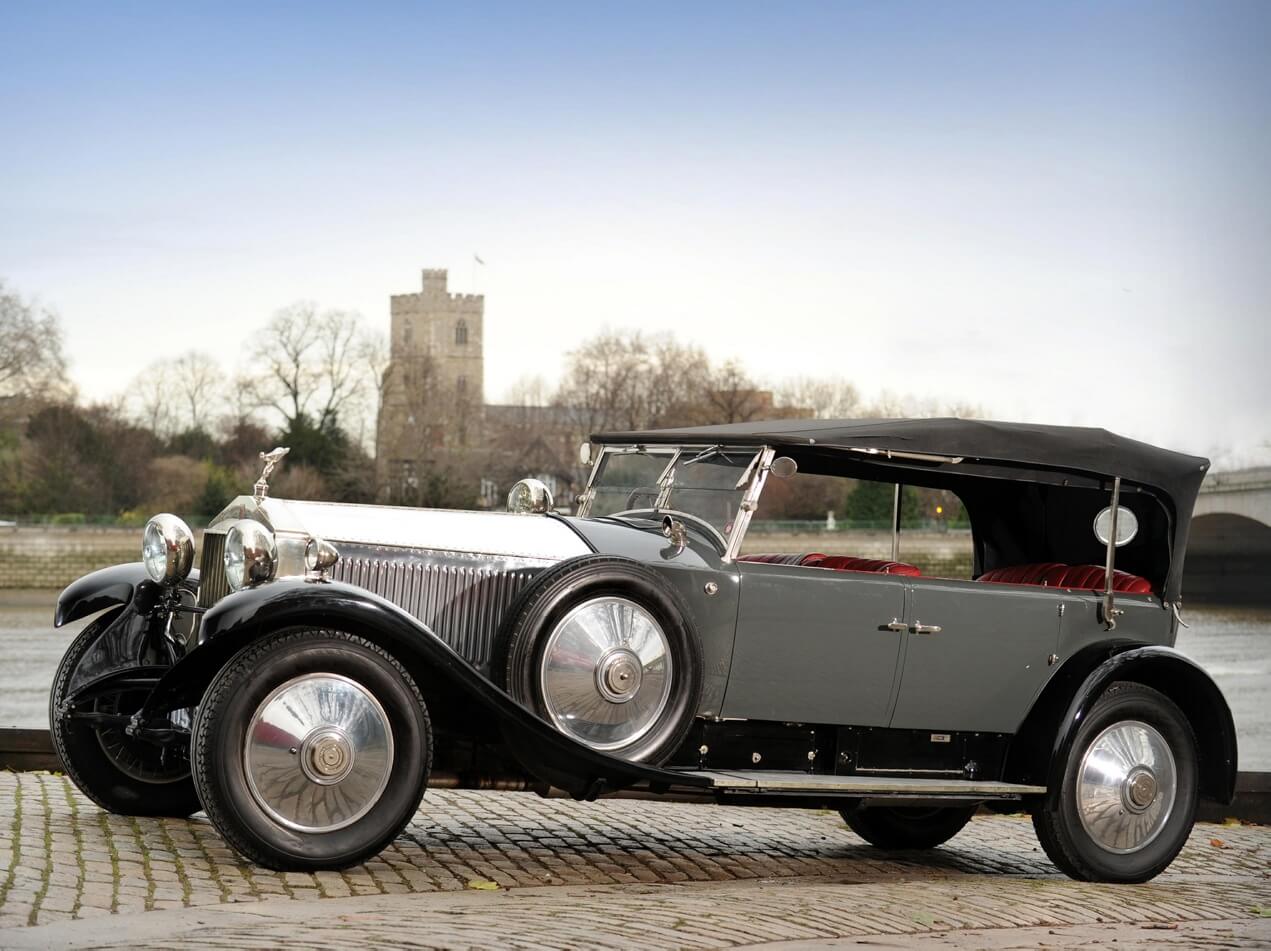
- Phantom I 1925–1931 · 15 kW (20 PS)
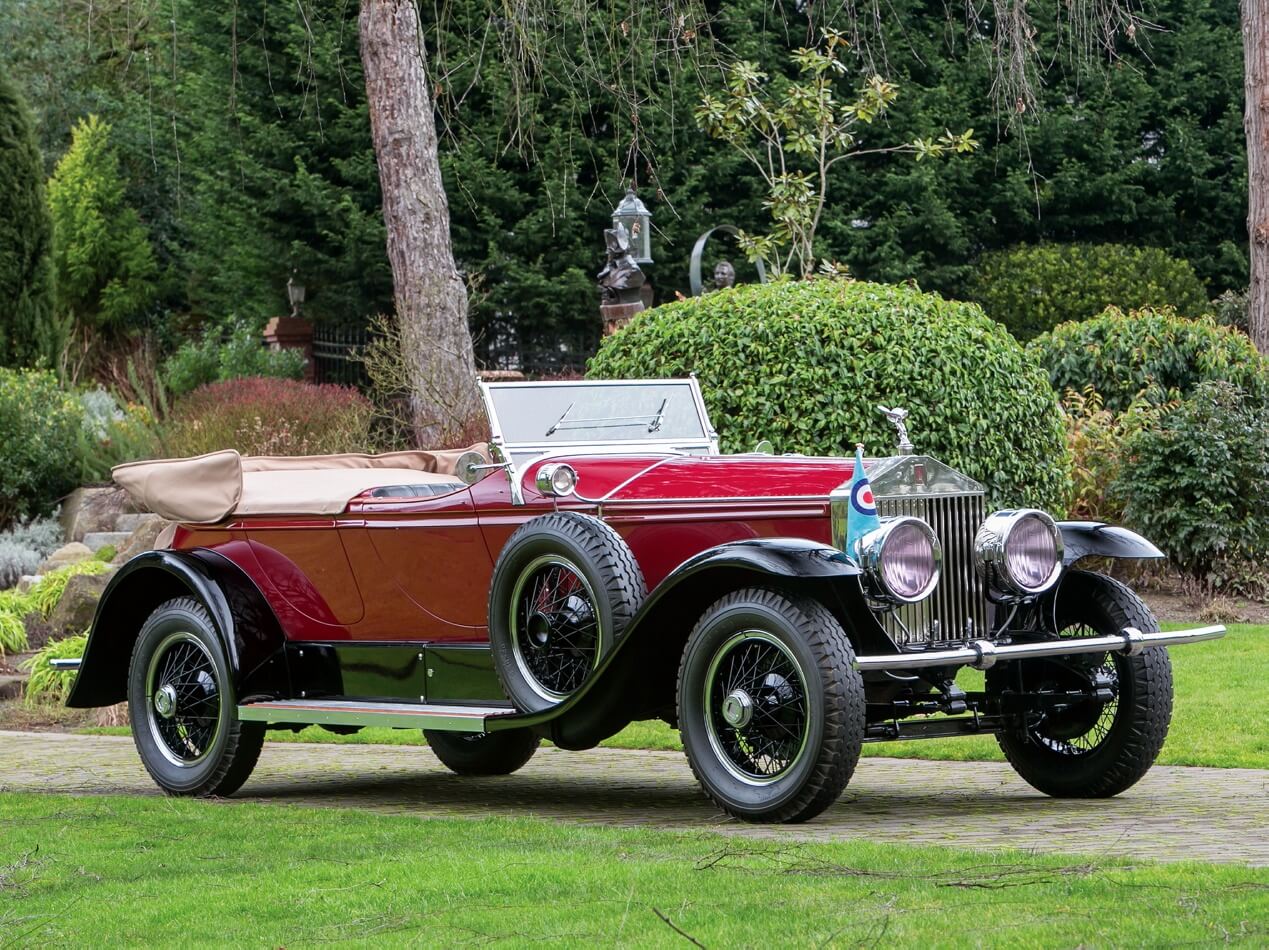
- Phantom II 1929–1935
- Phantom III 1936–1939 · 121 kW (165 PS)
- Phantom IV 1950–1956 · 107–119 kW (145–162 PS)
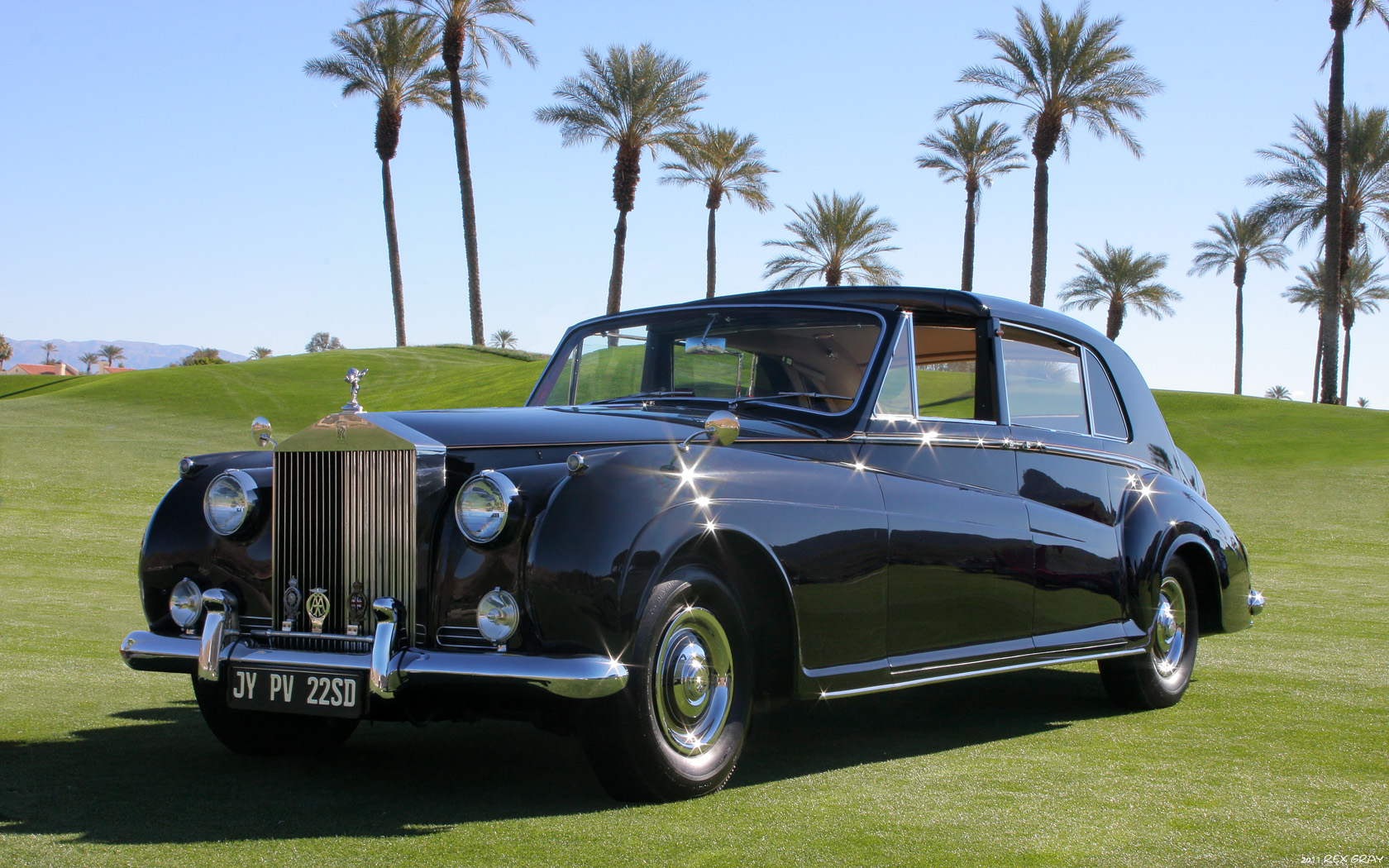
- Phantom V 1959–1968 · 147 kW (200 PS)
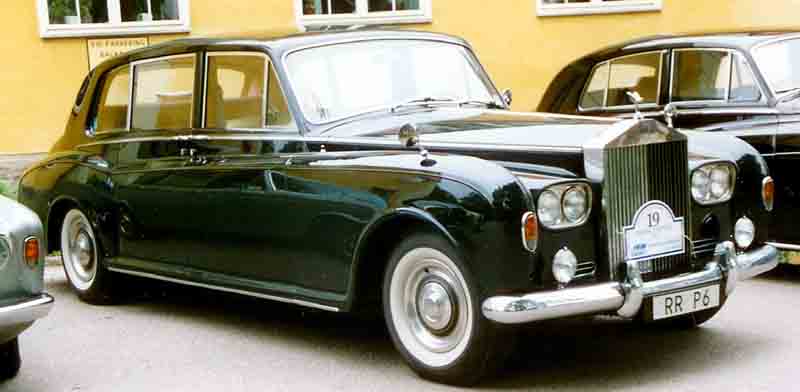
- Phantom VI 1968–1991 · 147–162 kW (200–220 PS)
- Phantom VII 2003–2017 · Sedan, Coupe · 338 kW (460 PS)
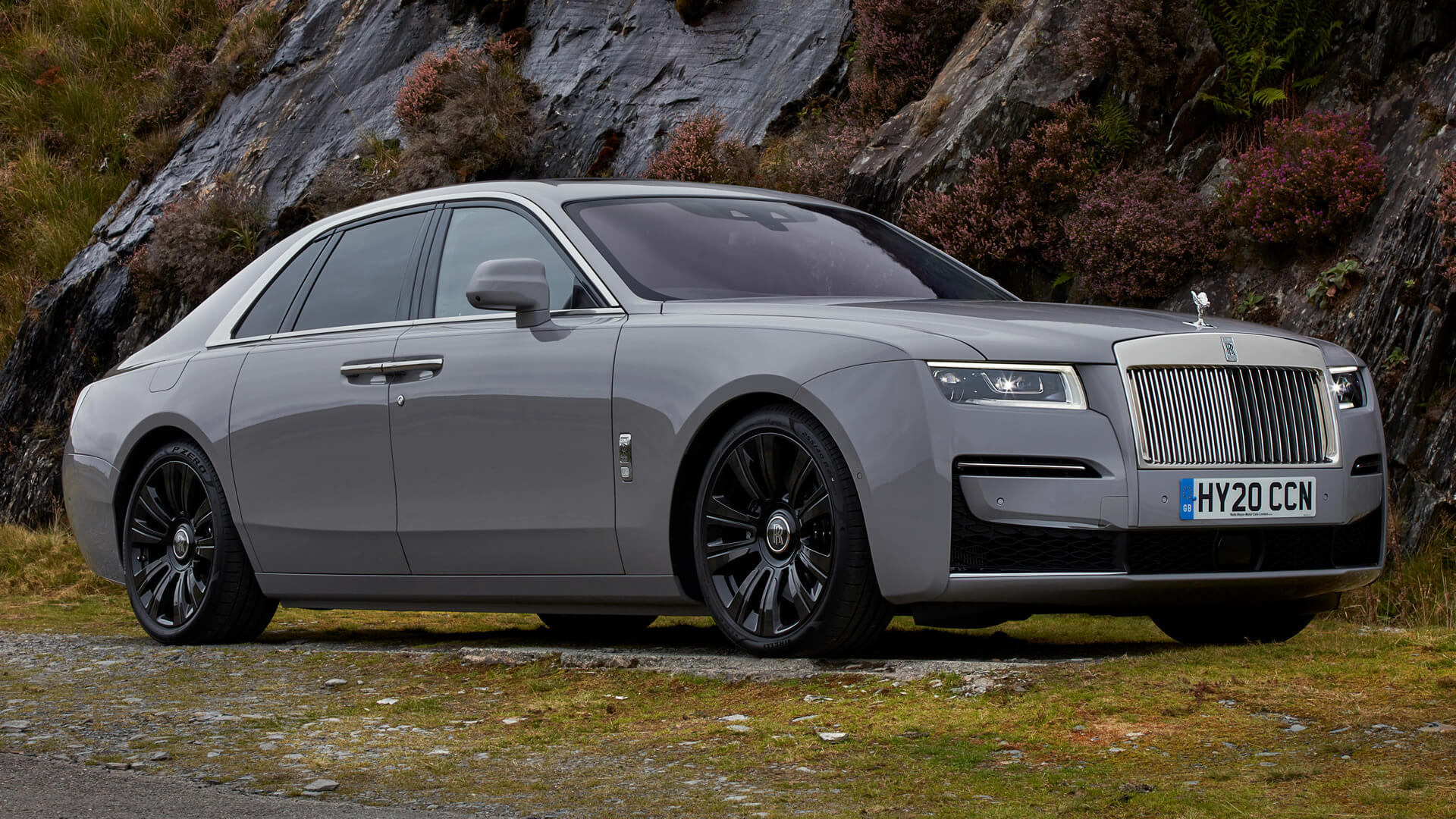
- Phantom VIII Current 2017–now · Sedan · 420 kW (571 PS)
Newest first · 8 generations since 1925
-
2017
-
2003
-
1968
-
1959
-
1950
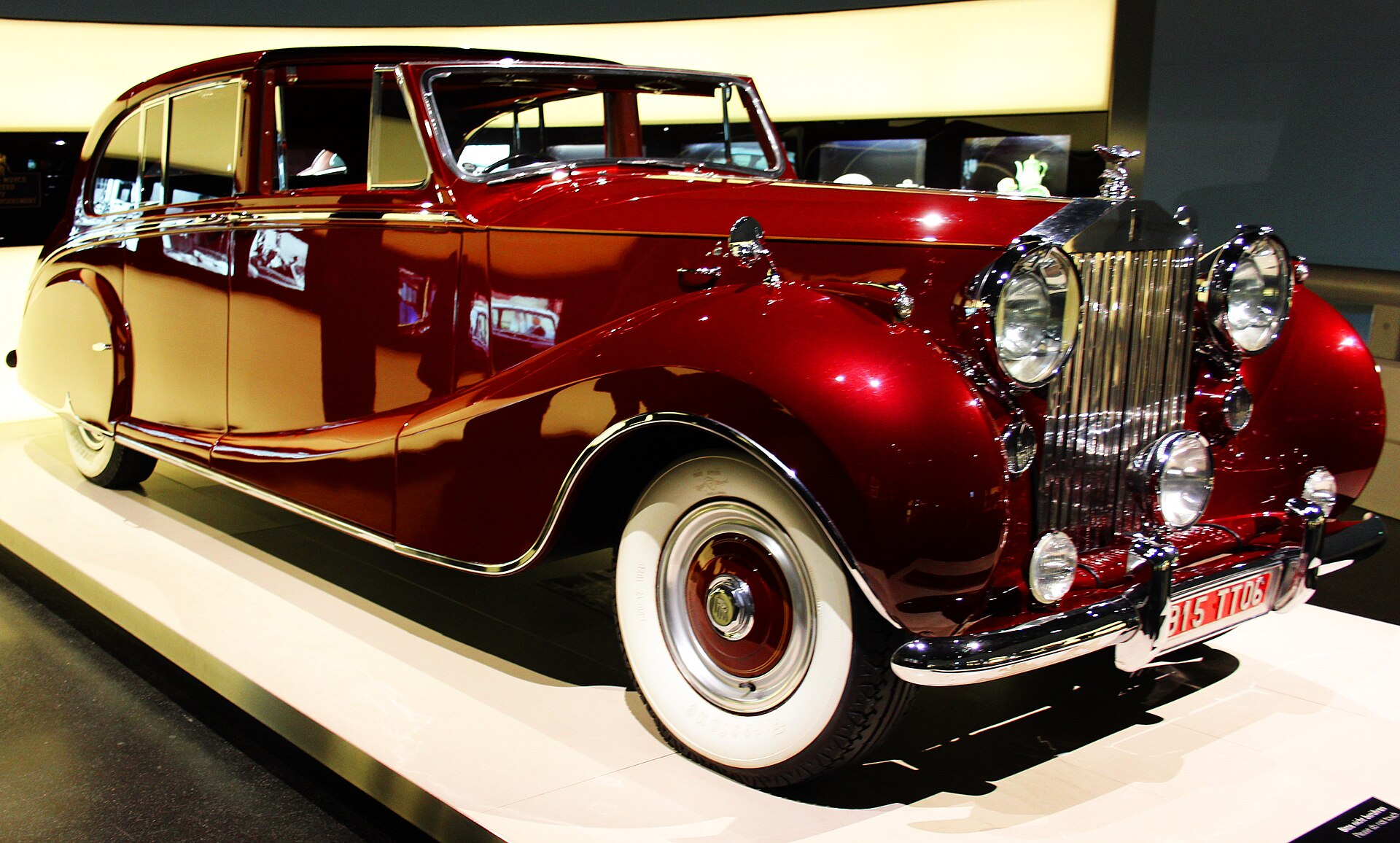
-
1936
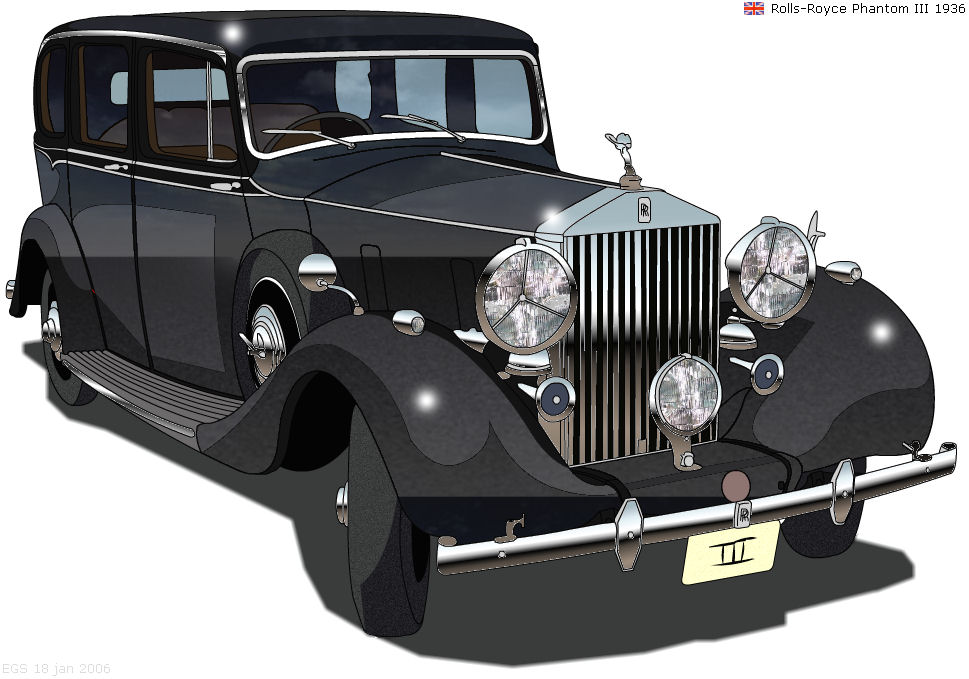
-
1929
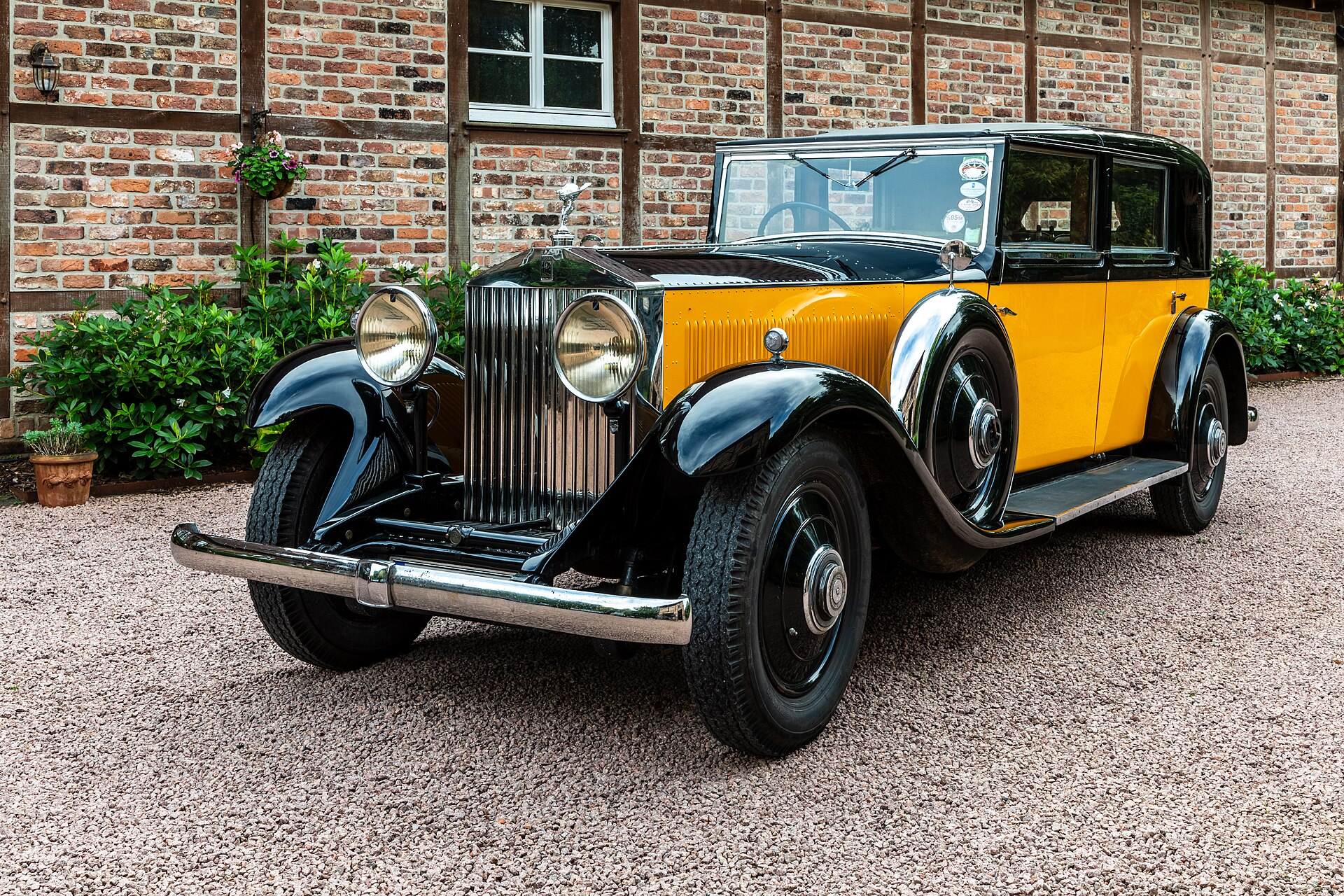
-
1925
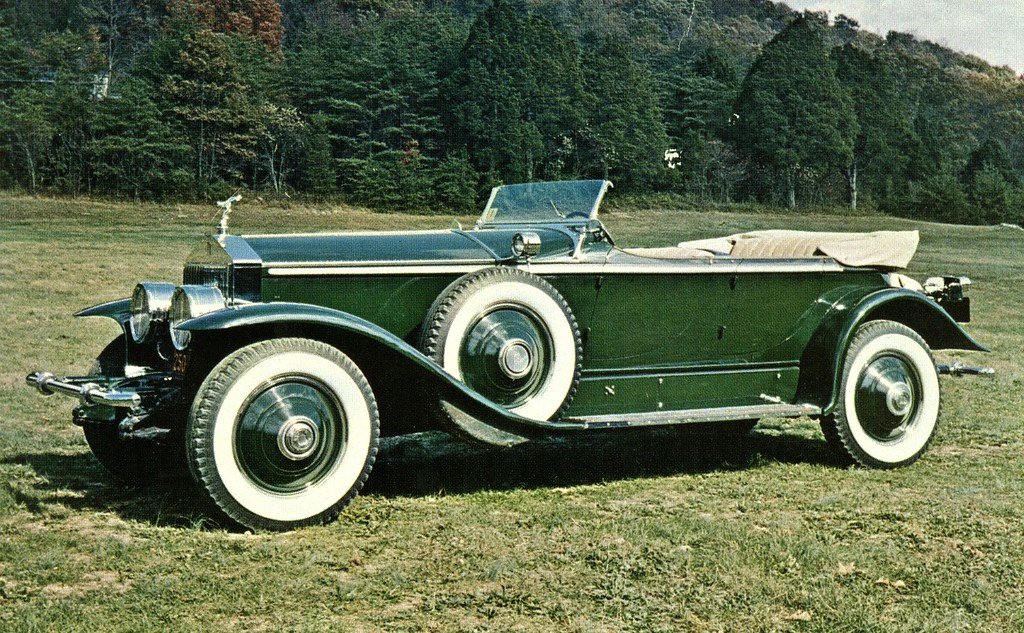


All generations by year: Phantom VIII (2017–now) · Phantom VII (2003–2017) · Phantom VI (1968–1991) · Phantom V (1959–1968) · Phantom IV (1950–1956) · Phantom III (1936–1939) · Phantom II (1929–1935) · Phantom I (1925–1931)
The Rolls-Royce Phantom is the brand's flagship and, since 1925, the longest-running car nameplate. The first six generations (1925–1990) were sold mainly as chassis for coachbuilt bodies; since 2003, BMW-owned Rolls-Royce has built the Phantom VII and VIII by hand at Goodwood in West Sussex. The current Phantom VIII, revealed on 27 July 2017, has a 6.75-litre twin-turbo V12 with 420 kW (571 PS) and 900 Nm.
In short
- Eight generations: I (1925), II (1929), III (1936), IV (1950), V (1959), VI (1968), VII (2003) and VIII (2017).
- Engines evolved from a 7.7-litre six to the V12 of the Phantom III, the straight-eight of the IV, V8s in the V and VI, and the modern 6.75 V12.
- Phantom IV: only 18 cars, built for royalty and heads of state; Phantom VI served as Queen Elizabeth II's state car.
- Phantom VIII: aluminium spaceframe, four-wheel steering, air suspension, up to 5,982 mm long.

Size at a glance
Mercedes-Benz Maybach S600 X222
The Rolls-Royce Phantom V is 592 mm longer, 108 mm wider and 257 mm taller than the Mercedes-Benz Maybach S600 X222.
| Dimensions | Rolls-Royce Phantom V | Mercedes-Benz Maybach S600 X222 | Difference |
|---|---|---|---|
| Length | 6,045 mm238.0 in | 5,453 mm214.7 in | +592 mm+23.3 in |
| Width | 2,007 mm79.0 in | 1,899 mm74.8 in | +108 mm+4.3 in |
| Height | 1,753 mm69.0 in | 1,496 mm58.9 in | +257 mm+10.1 in |
| Wheelbase | 3,683 mm145.0 in | 3,365 mm132.5 in | +318 mm+12.5 in |
Specs by version
Engines
| Version | Engine | Gearbox | Drive | Production years |
|---|---|---|---|---|
| Phantom V · 6.2 147 kW (200 PS) | 6.2 l · 8 cyl 6,230 cc | 4-sp Automatic | Rear-wheel drive | - |
| Phantom VIII · 2017–present | ||||
| Phantom VIII · 6.7 L 12 cyl Automatic (S8) · 2026 (EPA) | 6.7 l · 12 cyl 6,700 cc | 8-sp Automatic | Rear-wheel drive | 2026 |
| Phantom VIII · 6.7 L 12 cyl Automatic (S8) · 2025 (EPA) | 6.7 l · 12 cyl 6,700 cc | 8-sp Automatic | Rear-wheel drive | 2025 |
| Phantom VIII · 6.7 L 12 cyl Automatic (S8) · 2024 (EPA) | 6.7 l · 12 cyl 6,700 cc | 8-sp Automatic | Rear-wheel drive | 2024 |
| Phantom VIII · 6.7 L 12 cyl Automatic (S8) · 2023 (EPA) | 6.7 l · 12 cyl 6,700 cc | 8-sp Automatic | Rear-wheel drive | 2023 |
| Phantom VIII · 6.7 L 12 cyl Automatic (S8) · 2022 (EPA) | 6.7 l · 12 cyl 6,700 cc | 8-sp Automatic | Rear-wheel drive | 2022 |
| Phantom VIII · 6.7 L 12 cyl Automatic (S8) · 2021 (EPA) | 6.7 l · 12 cyl 6,700 cc | 8-sp Automatic | Rear-wheel drive | 2021 |
| Phantom VIII · 6.7 L 12 cyl Automatic (S8) · 2020 (EPA) | 6.7 l · 12 cyl 6,700 cc | 8-sp Automatic | Rear-wheel drive | 2020 |
| Phantom VIII · 6.7 L 12 cyl Automatic (S8) · 2019 (EPA) | 6.7 l · 12 cyl 6,700 cc | 8-sp Automatic | Rear-wheel drive | 2019 |
Performance
Show all 8 versions
| Version | Fuel consumption |
|---|---|
| Phantom VIII · 2017–present | |
| Phantom VIII · 6.7 L 12 cyl Automatic (S8) · 2026 (EPA) | 16.8 l/100 km14.0 mpg US · 16.8 mpg UK |
| Phantom VIII · 6.7 L 12 cyl Automatic (S8) · 2025 (EPA) | 16.8 l/100 km14.0 mpg US · 16.8 mpg UK |
| Phantom VIII · 6.7 L 12 cyl Automatic (S8) · 2024 (EPA) | 16.8 l/100 km14.0 mpg US · 16.8 mpg UK |
| Phantom VIII · 6.7 L 12 cyl Automatic (S8) · 2023 (EPA) | 16.8 l/100 km14.0 mpg US · 16.8 mpg UK |
| Phantom VIII · 6.7 L 12 cyl Automatic (S8) · 2022 (EPA) | 16.8 l/100 km14.0 mpg US · 16.8 mpg UK |
| Phantom VIII · 6.7 L 12 cyl Automatic (S8) · 2021 (EPA) | 16.8 l/100 km14.0 mpg US · 16.8 mpg UK |
| Phantom VIII · 6.7 L 12 cyl Automatic (S8) · 2020 (EPA) | 16.8 l/100 km14.0 mpg US · 16.8 mpg UK |
| Phantom VIII · 6.7 L 12 cyl Automatic (S8) · 2019 (EPA) | 16.8 l/100 km14.0 mpg US · 16.8 mpg UK |
Dimensions and weight
Show all 1 versions
| Version | Length | Width | Height | Wheelbase | Kerb weight |
|---|---|---|---|---|---|
| Phantom V · 6.2 147 kW (200 PS) | 6,045 mm238.0 in | 2,007 mm79.0 in | 1,753 mm69.0 in | 3,683 mm145.0 in | 2,540 kg5,600 lb |
Verified Manufacturer and type-approval data from our catalog · Sources and methodology
Rolls-Royce Phantom at a glance
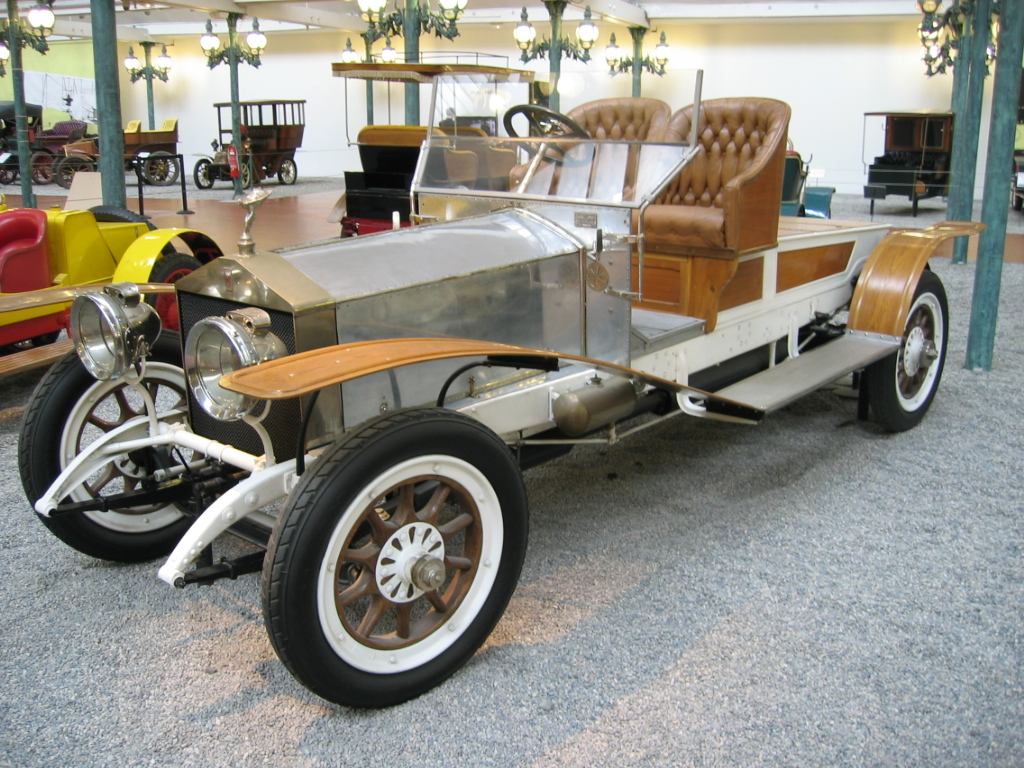
For most of its history the Phantom was a rolling chassis: Rolls-Royce built the engine, gearbox and frame, and the customer ordered a body from a coachbuilder of their choice, waiting six months to a year for the finished car. The Spirit of Ecstasy mascot has crowned the Phantom's radiator throughout. The company's story is told in the history of Rolls-Royce, and its models are in the Rolls-Royce catalogue.

| Generation | Years | Engine | Notes |
|---|---|---|---|
| Phantom I | 1925–1931 | 7.7 L straight-six | Successor to the Silver Ghost; built in Derby and Springfield, USA |
| Phantom II | 1929–1935 | 7.7 L straight-six | New chassis, engine bolted to gearbox |
| Phantom III | 1936–1939 | 7.3 L V12 | First V12 Rolls-Royce, independent front suspension |
| Phantom IV | 1950–1956 | 5.7 L straight-eight | 18 built, for royalty and heads of state |
| Phantom V | 1959–1968 | 6.2 L V8 | 516 built, Silver Cloud II chassis |
| Phantom VI | 1968–1990 | 6.2 / 6.75 L V8 | 374 built, state limousines |
| Phantom VII | 2003–2017 | 6.75 L V12 | First Phantom of the BMW era, built at Goodwood |
| Phantom VIII | 2017– | 6.75 L twin-turbo V12 | Architecture of Luxury aluminium spaceframe |
Phantom I to III (1925–1939)
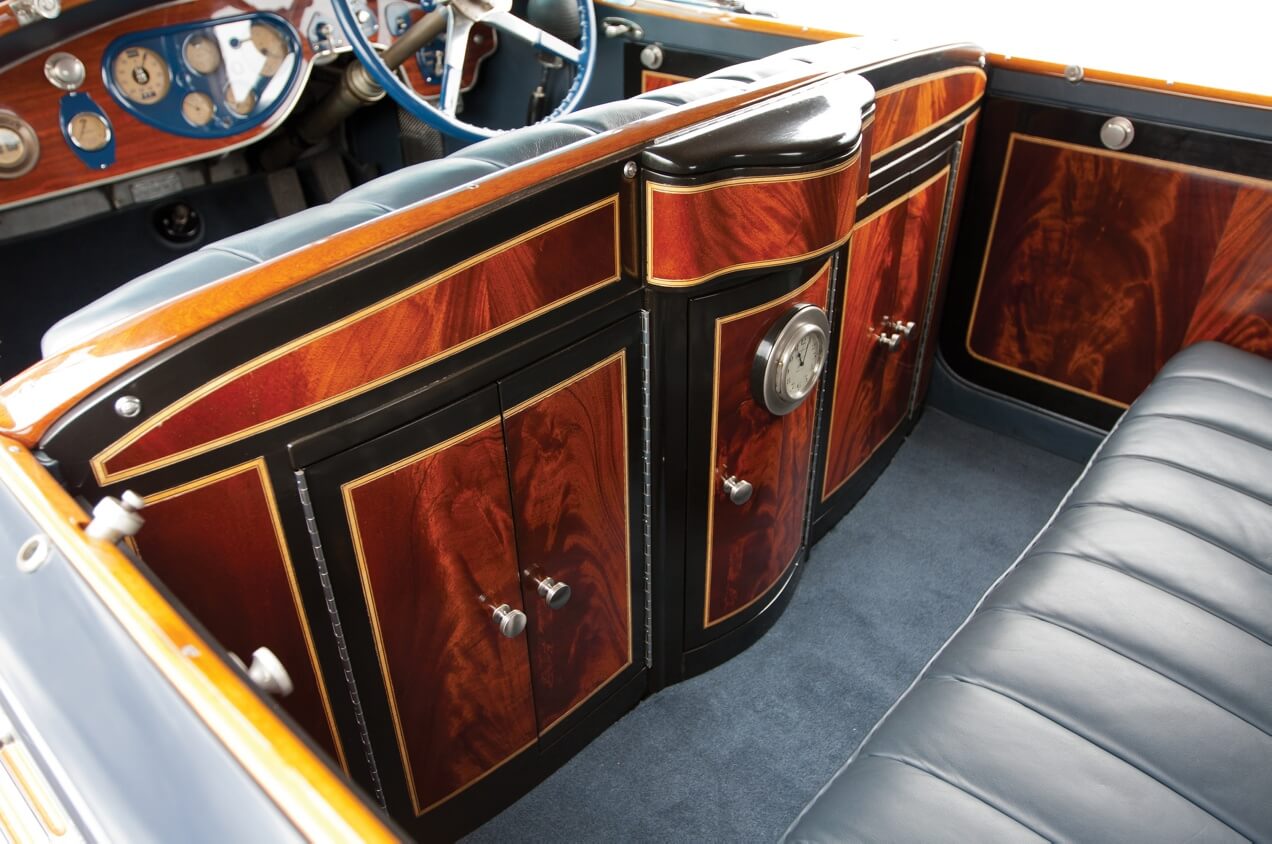
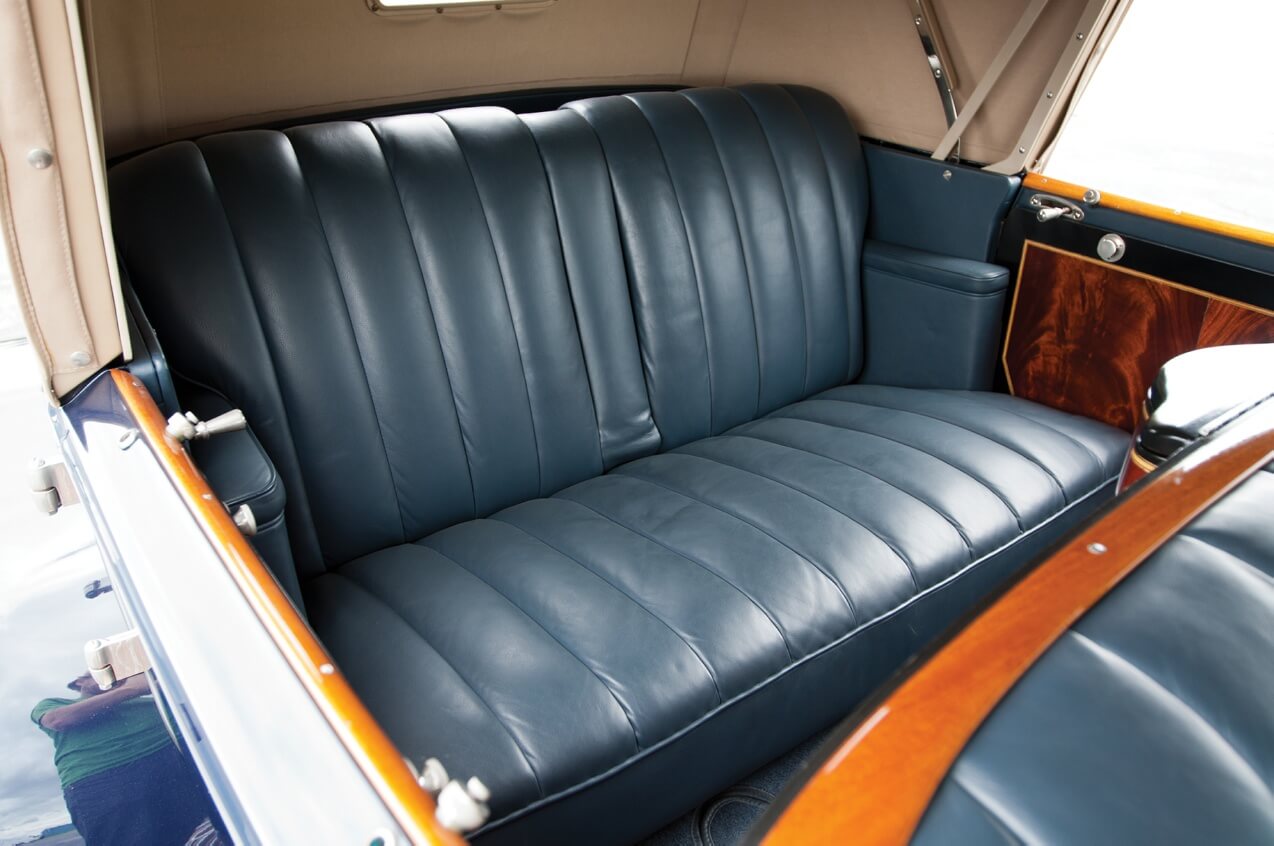
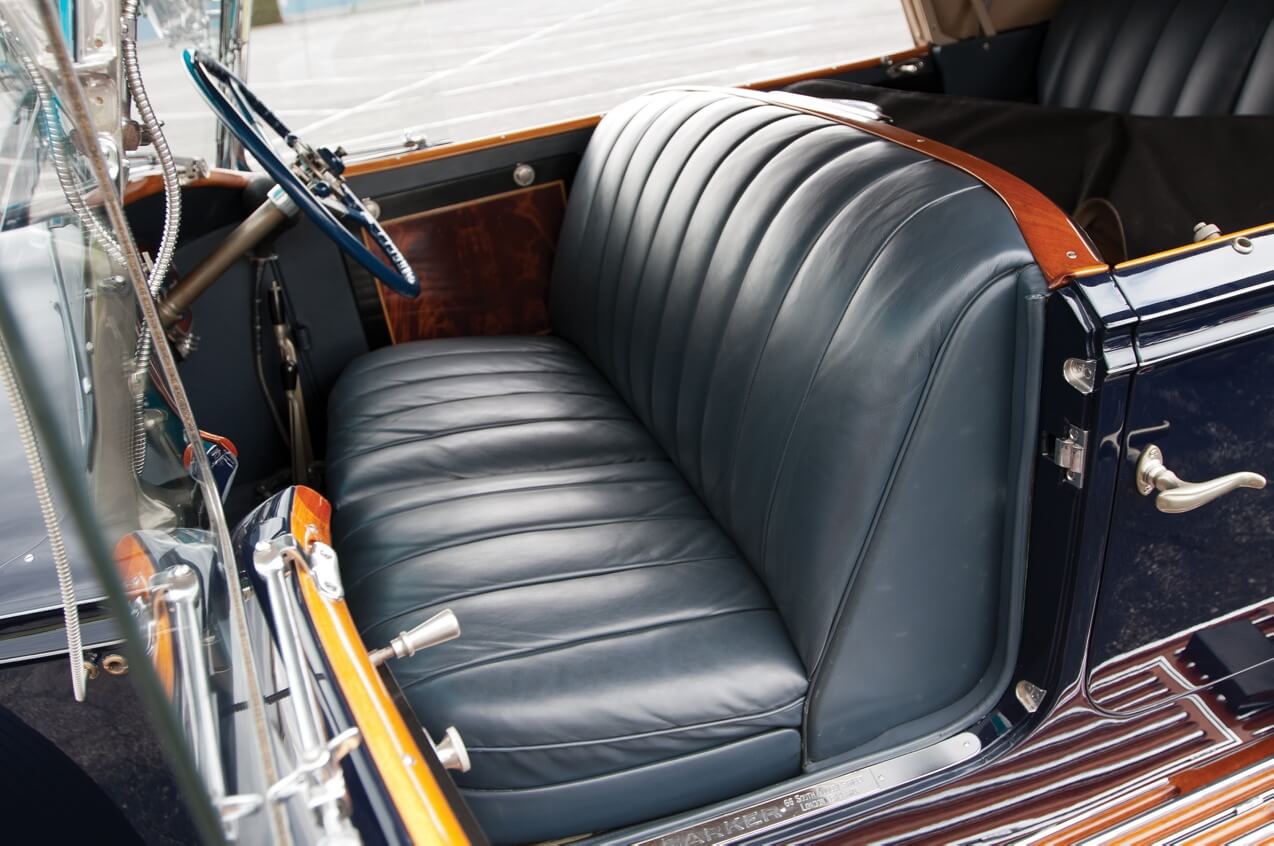
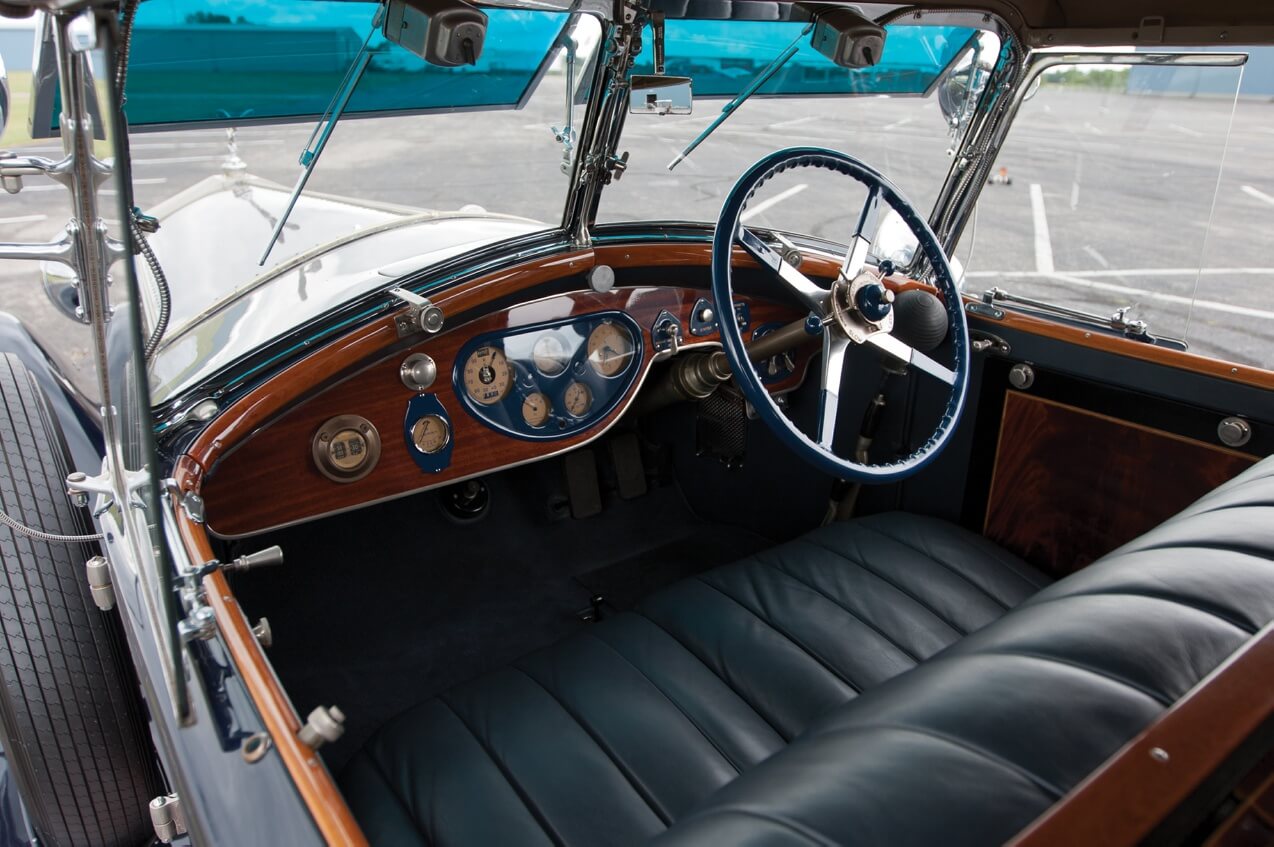
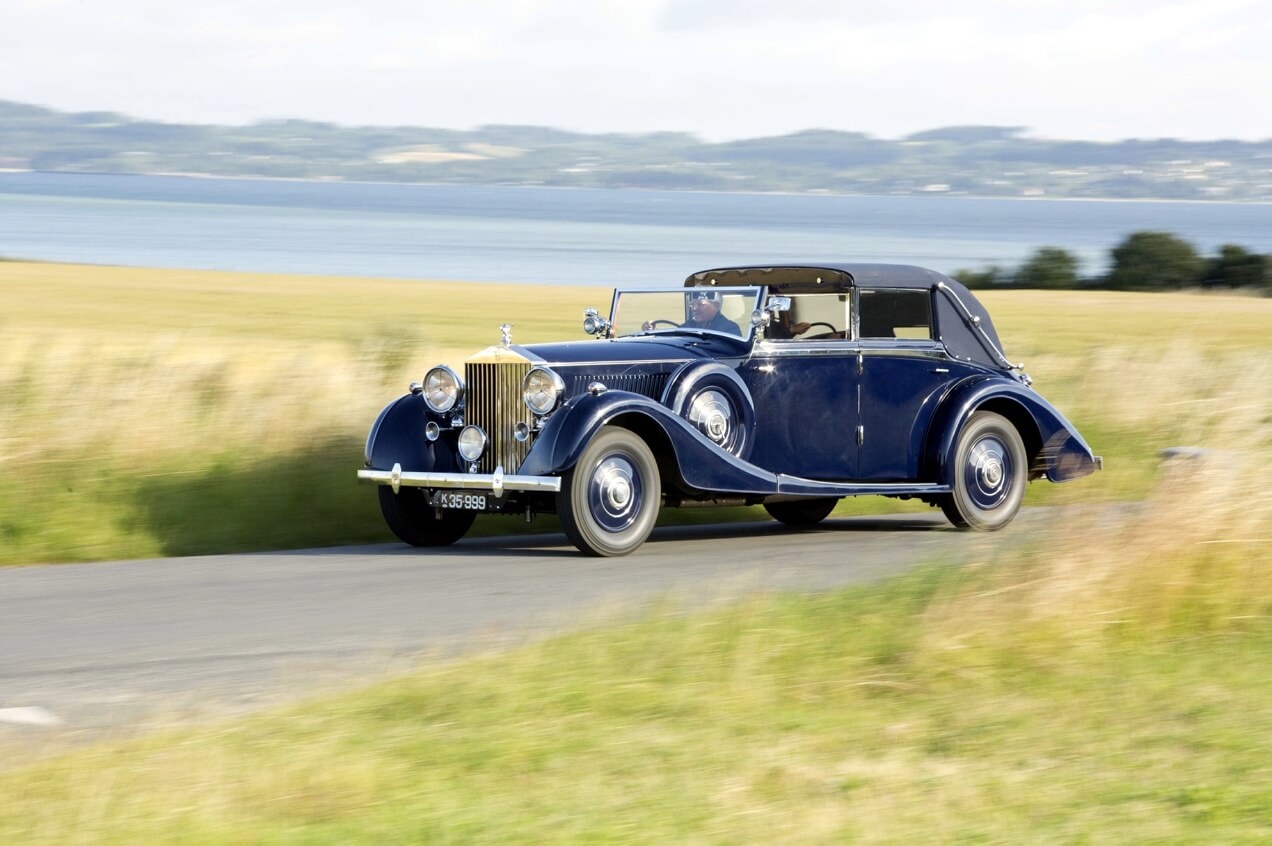
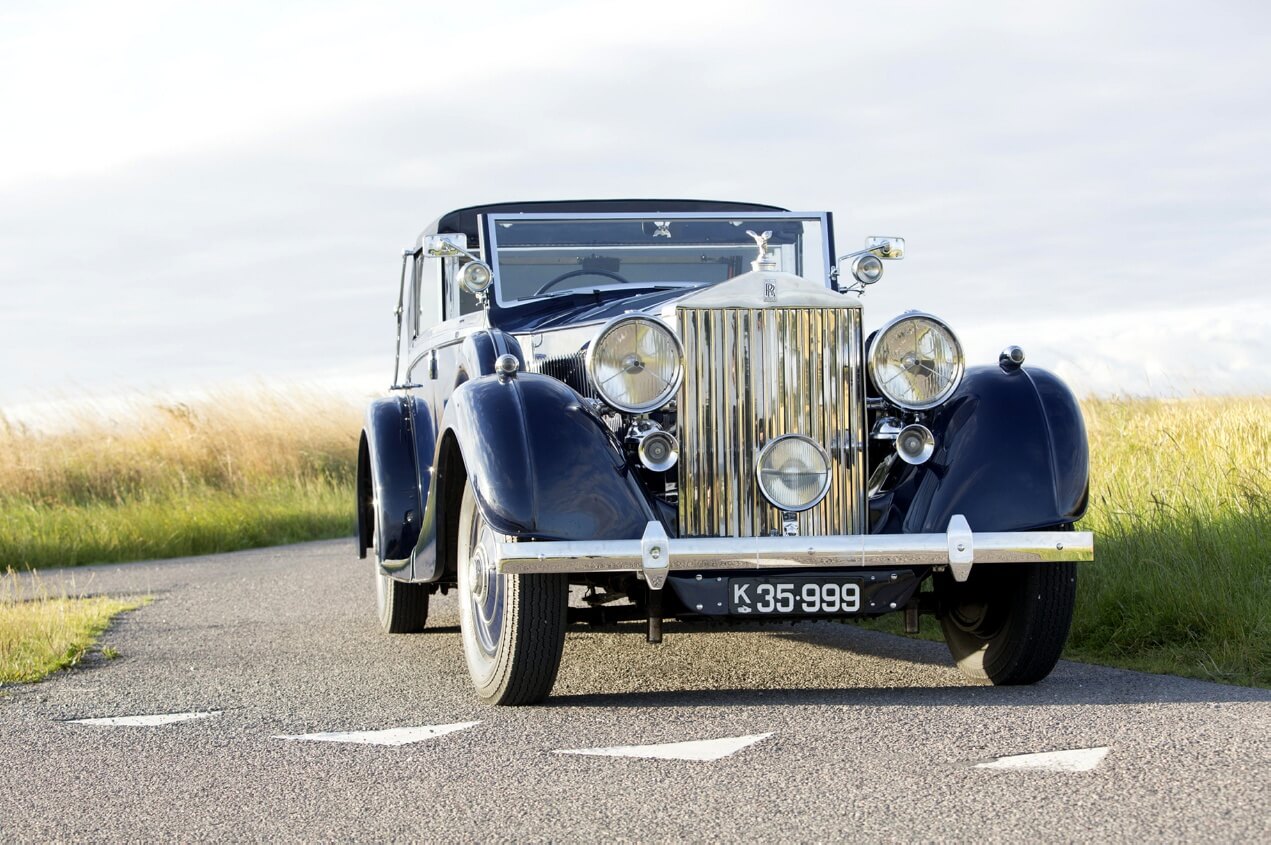
The "New Phantom" of 1925 replaced the Silver Ghost, which had been built since 1906. It kept much of the Ghost's chassis but had a new overhead-valve 7.7-litre six-cylinder engine and servo-assisted brakes, which made it one of the safest cars of the 1920s. Two wheelbases were offered. A chassis cost at least 1,850 pounds and a complete car about 2,500 pounds at the time. Derby built 2,212 chassis, and the American plant in Springfield, Massachusetts, 1,225 until 1931.

The Phantom II of 1929 had a new, lower chassis with the 7.7-litre engine bolted directly to the gearbox, synchromesh and dampers adjustable from the driver's seat. Some critics thought it old-fashioned, but owners praised its silence. During the Depression, Rolls-Royce built 1,672 of them while many luxury-car makers went bankrupt.
The Phantom III, shown in London in 1935 and built from 1936, was the most complex pre-war Rolls-Royce: a 7.3-litre V12 with aluminium alloy block and heads, hydraulic tappets and twin ignition, related in concept to the company's aero engines. It also introduced independent front suspension with coil springs. Production stopped in 1939.
Phantom IV to VI (1950–1990)
The Phantom IV is the rarest Rolls-Royce: only 18 were built between 1950 and 1956, and they were sold only to royalty and heads of state. It used a lengthened Silver Wraith chassis with a 3,683 mm wheelbase and the only straight-eight engine in a production Rolls-Royce, the 5.7-litre B80, giving about 108–121 kW (145–162 hp). The first car was delivered to Princess Elizabeth and the Duke of Edinburgh on 6 July 1950. Sixteen still survive.

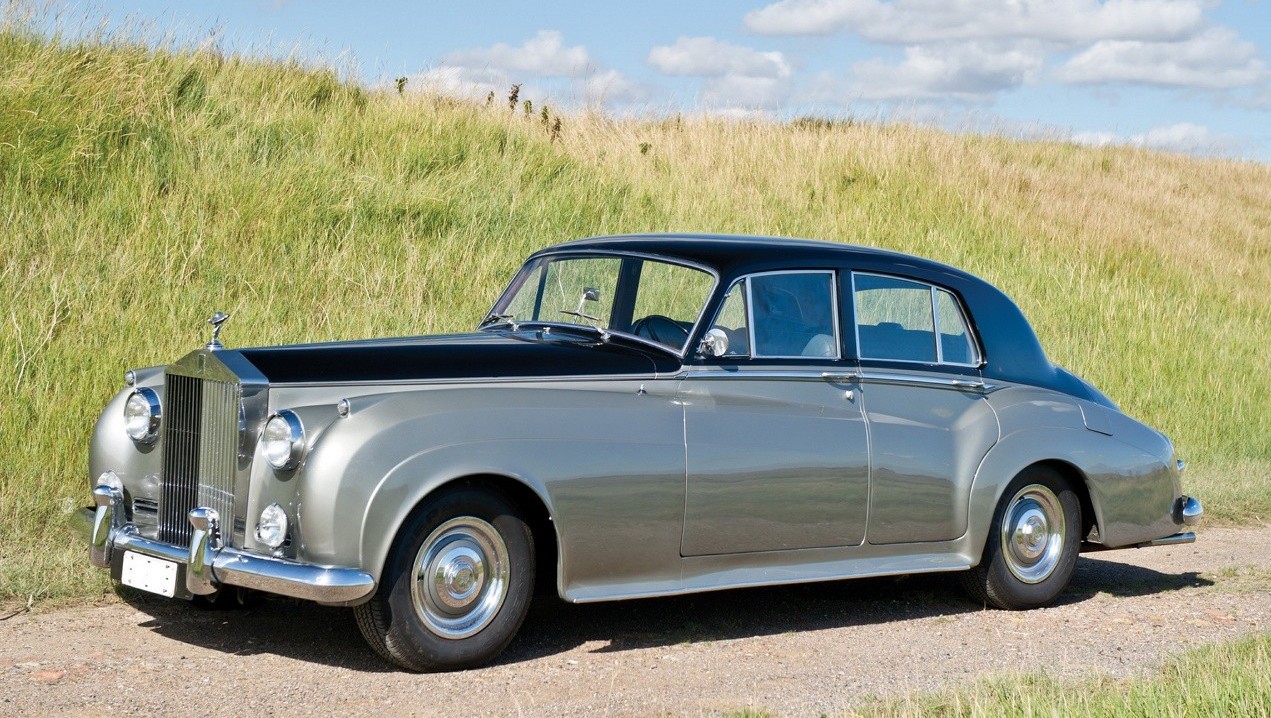
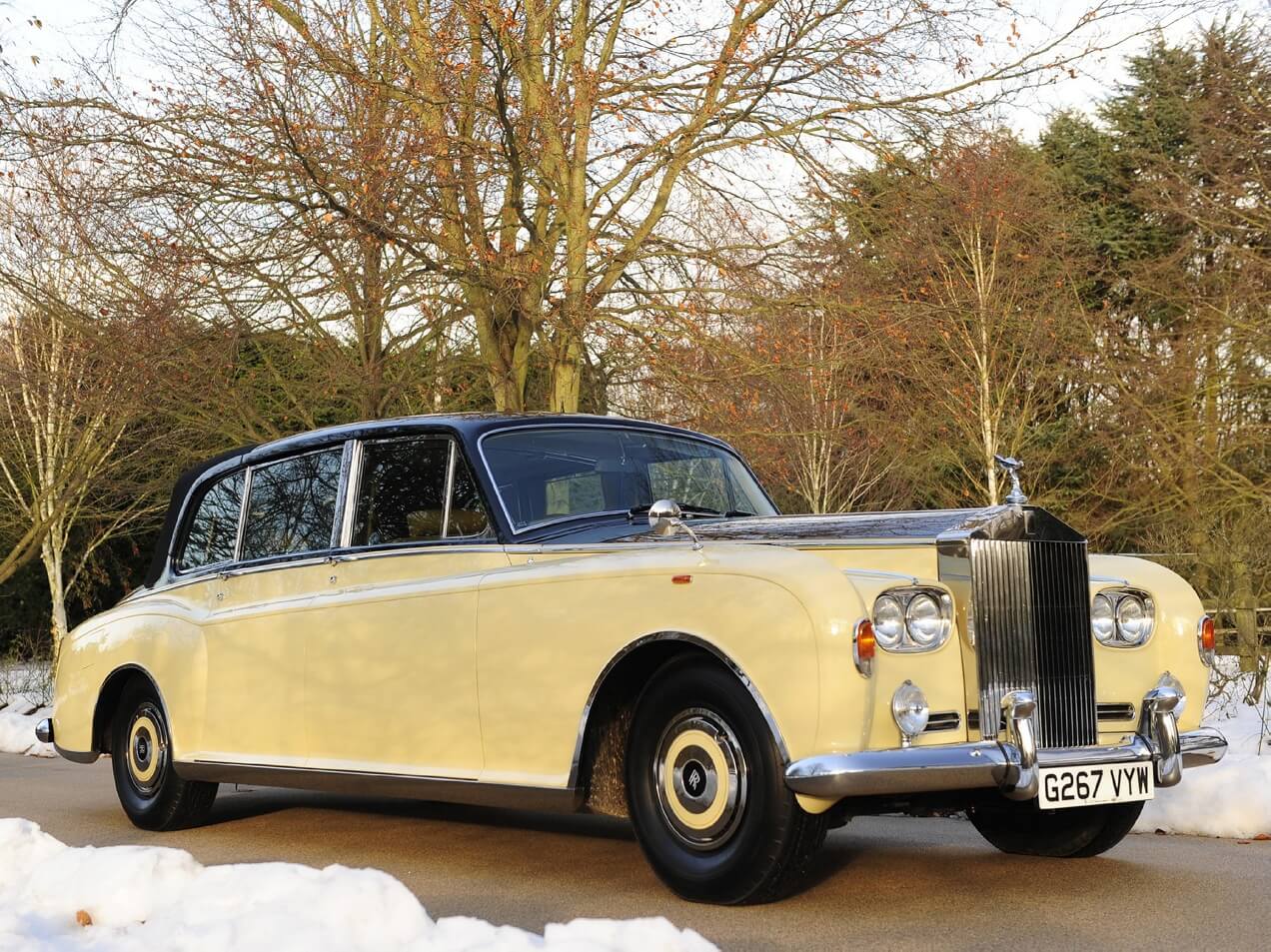
The Phantom V (1959–1968) was based on the Silver Cloud II, with a 6.2-litre aluminium V8 of about 200 hp, a General Motors-derived 4-speed automatic and power steering. Most of the 516 cars had bodies by coachbuilders such as Mulliner Park Ward; John Lennon owned a famous painted example.
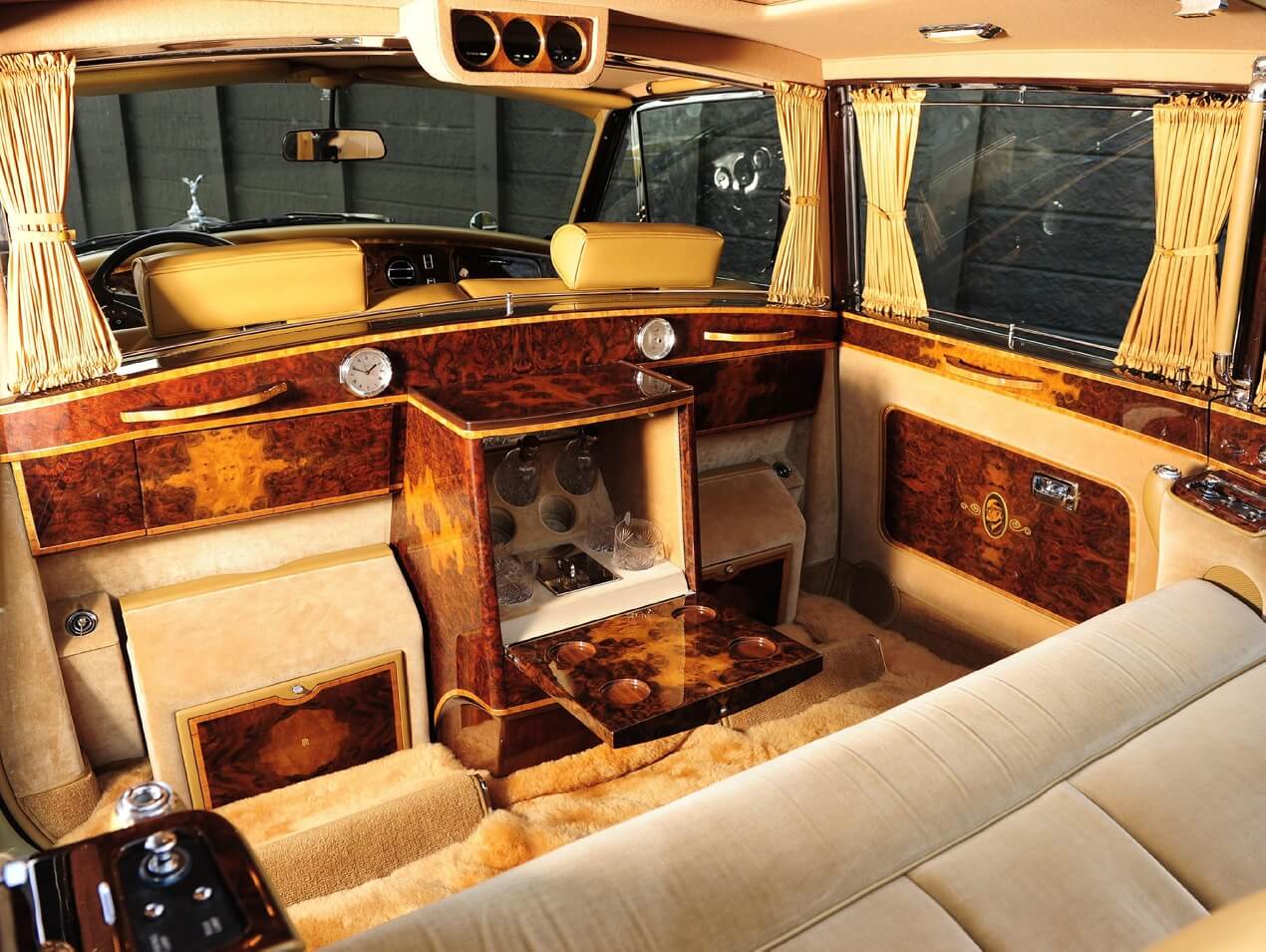
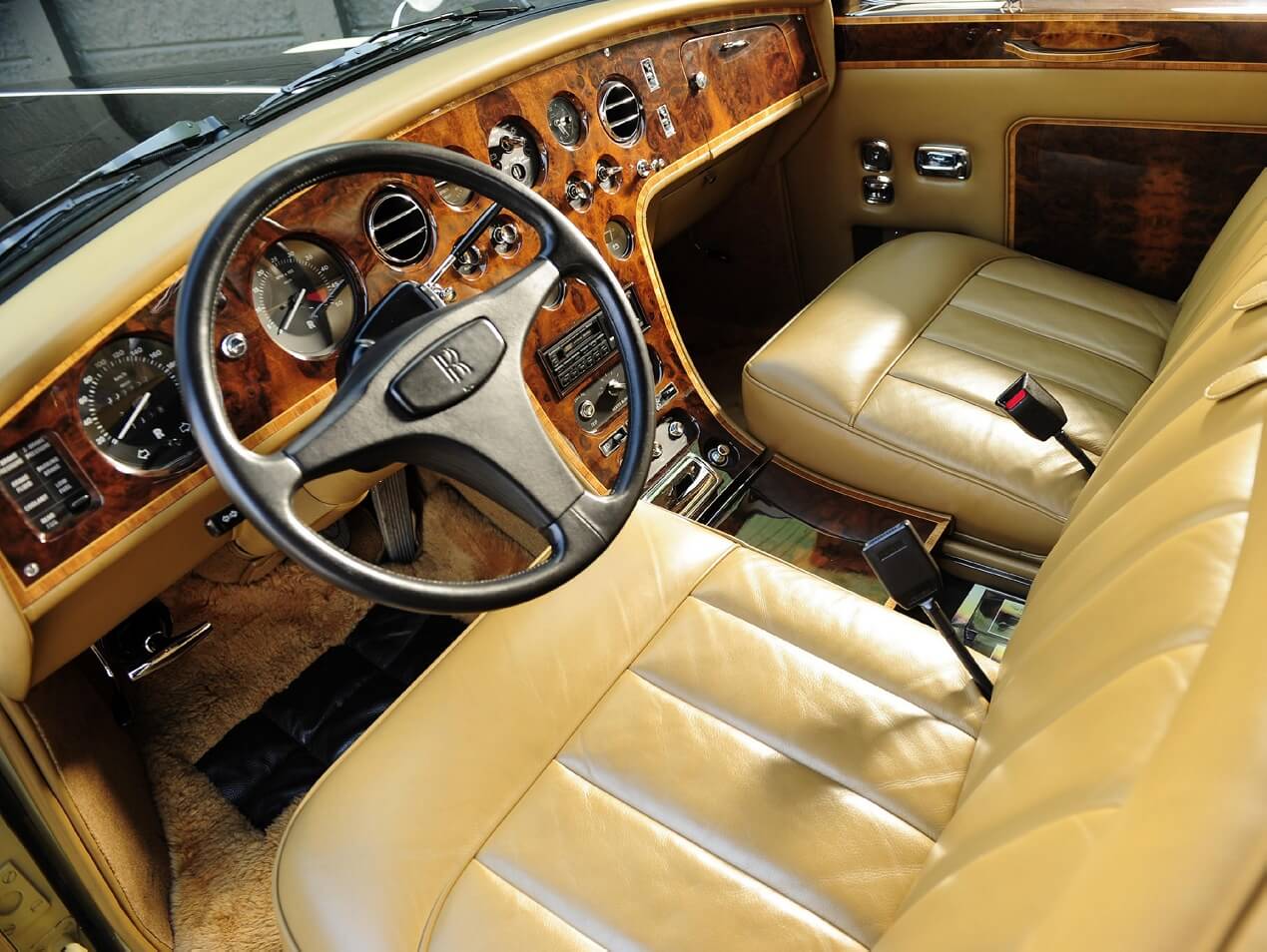
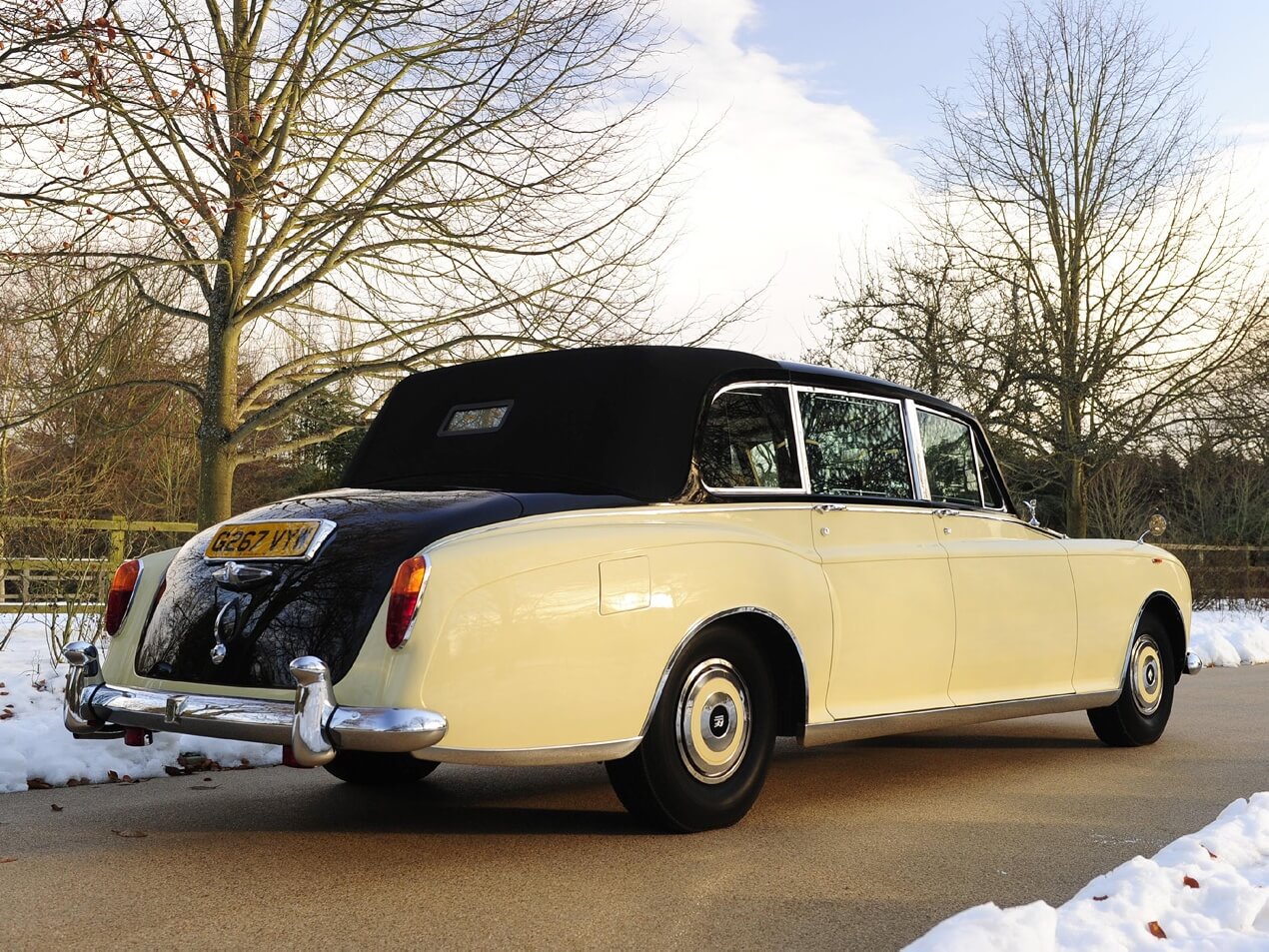
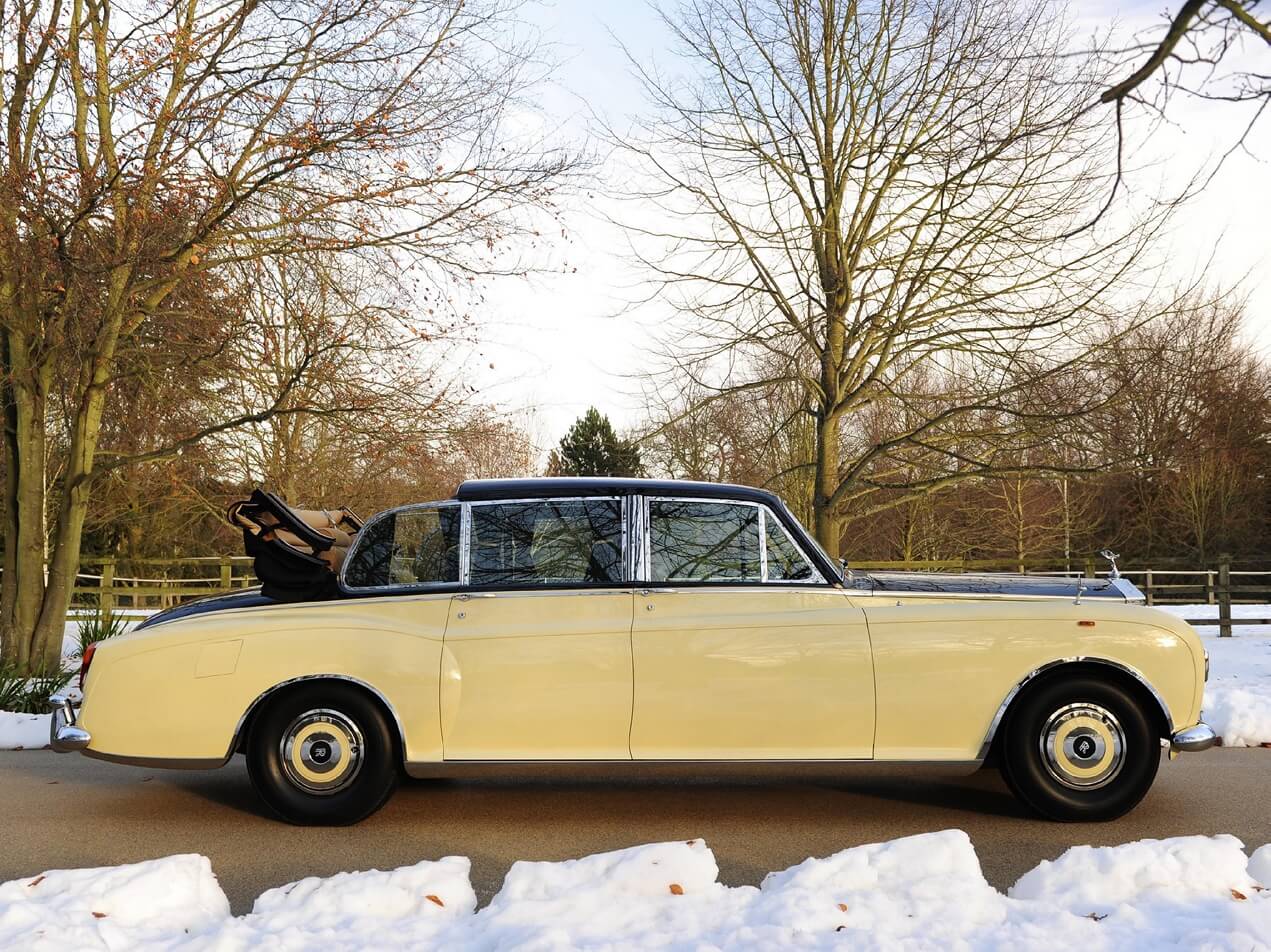
The Phantom VI (1968–1990) continued as a hand-built limousine for up to seven people, with air conditioning for front and rear, and 374 were made. It used 6.2 and 6.75-litre V8 engines with an automatic gearbox, reached about 180 km/h and used a great deal of fuel, around 30 L/100 km in town. A few landaulette versions had a folding rear roof, and a Phantom VI served as Queen Elizabeth II's state car until 2002.
Phantom VII (2003–2017)
The BMW era begins
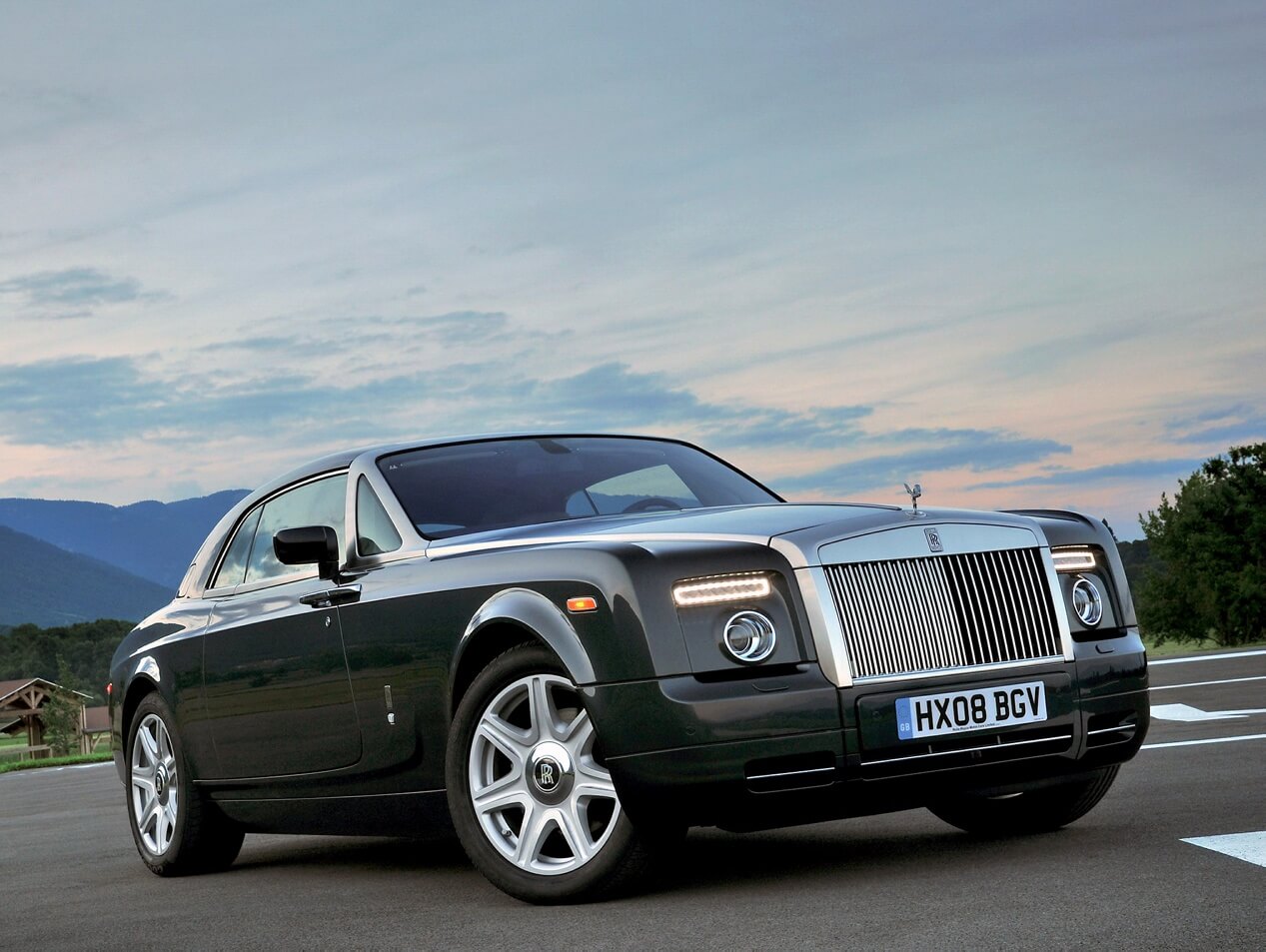
In 1998 BMW obtained the rights to the Rolls-Royce name for cars, while Volkswagen took over Bentley and the Crewe factory. BMW built a new factory at Goodwood in West Sussex, and the Phantom VII was shown at the Detroit motor show on 5 January 2003. A design team led by Ian Cameron gave it a tall, upright body with a huge radiator grille, small round headlights, rear-hinged "coach doors" for the rear passengers and 21-inch wheels with self-righting RR centre caps that always stay upright. The Spirit of Ecstasy retracts into the radiator shell at the press of a button or in an impact.

Engine, chassis and versions
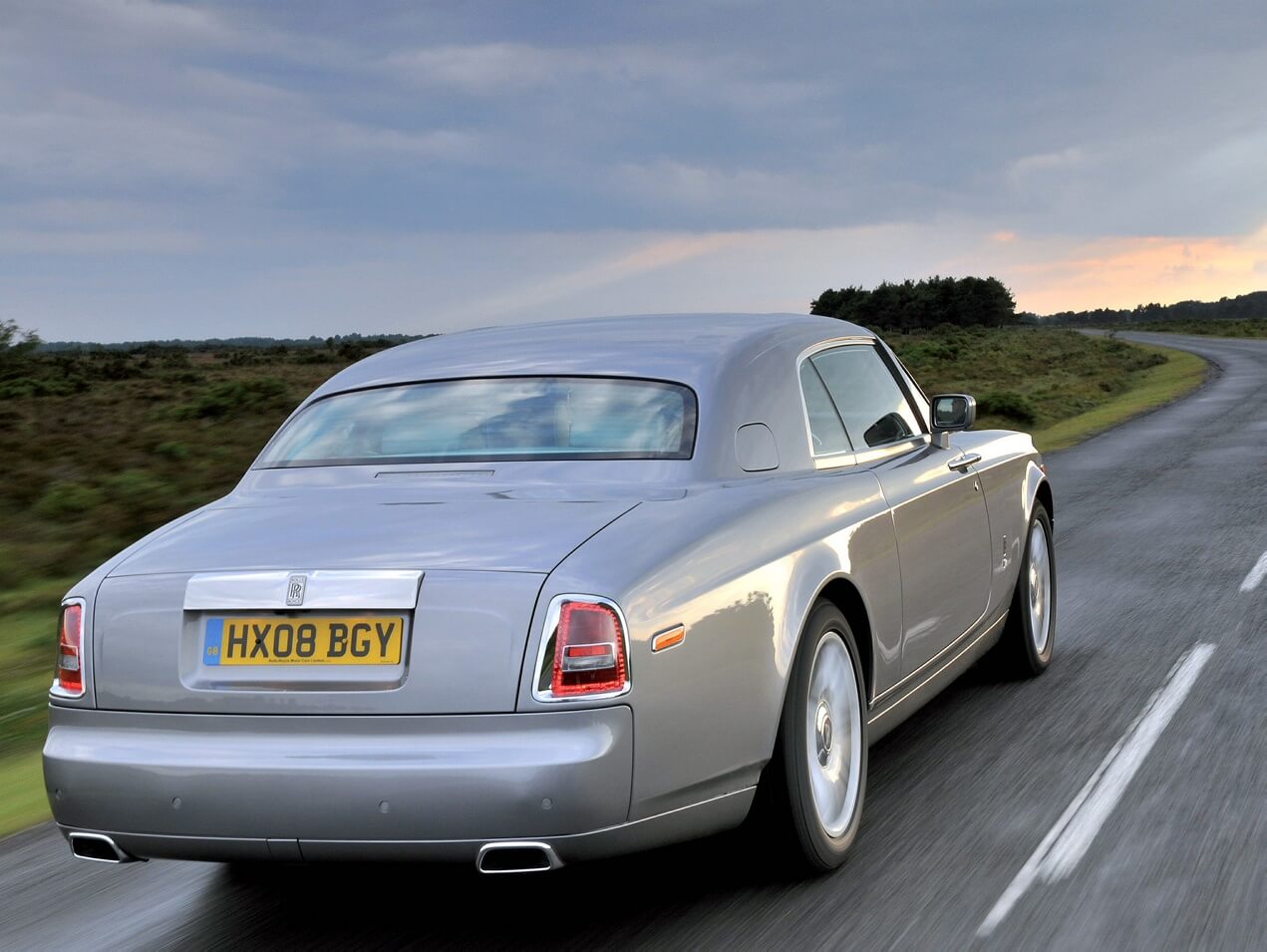
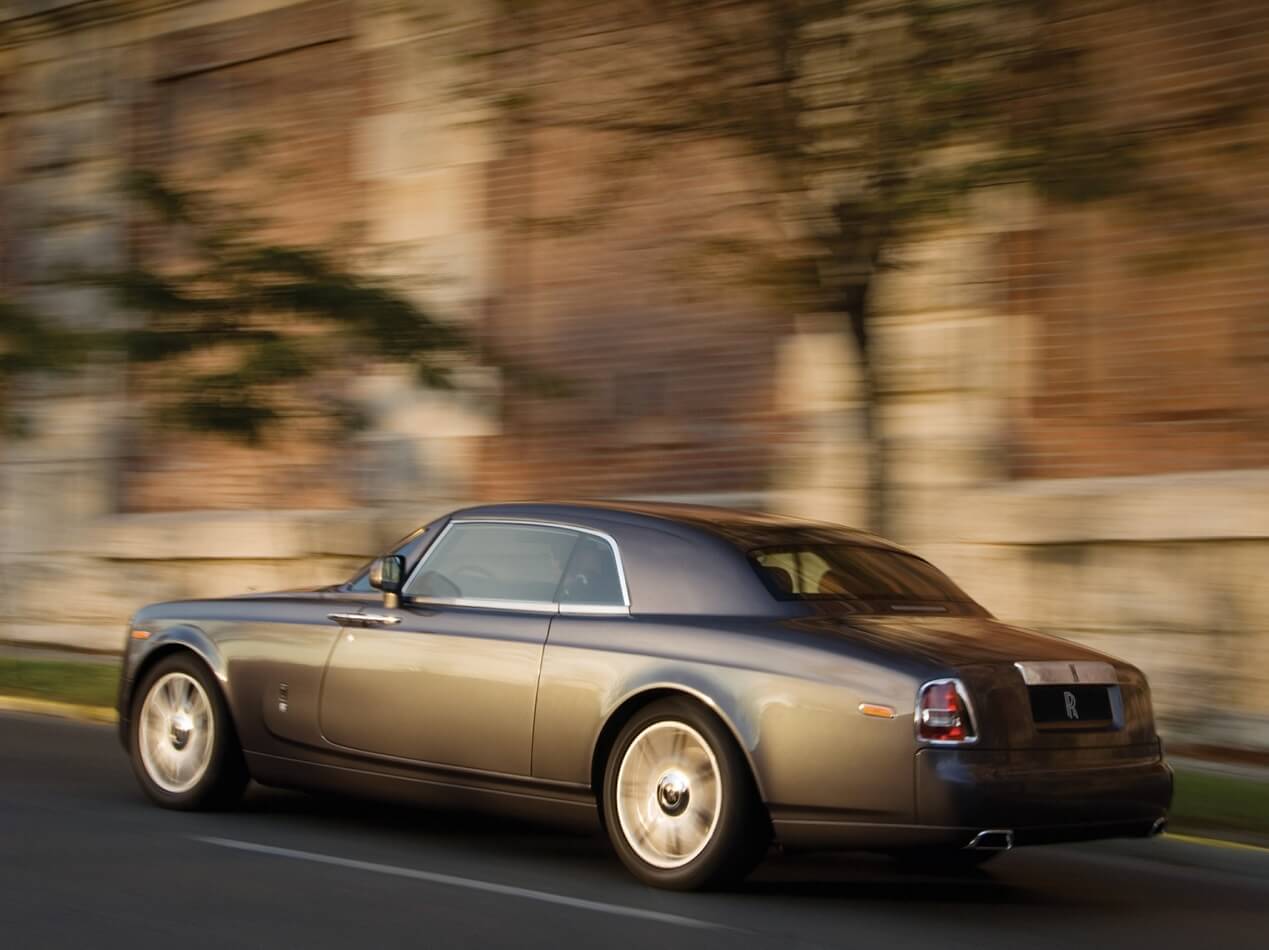
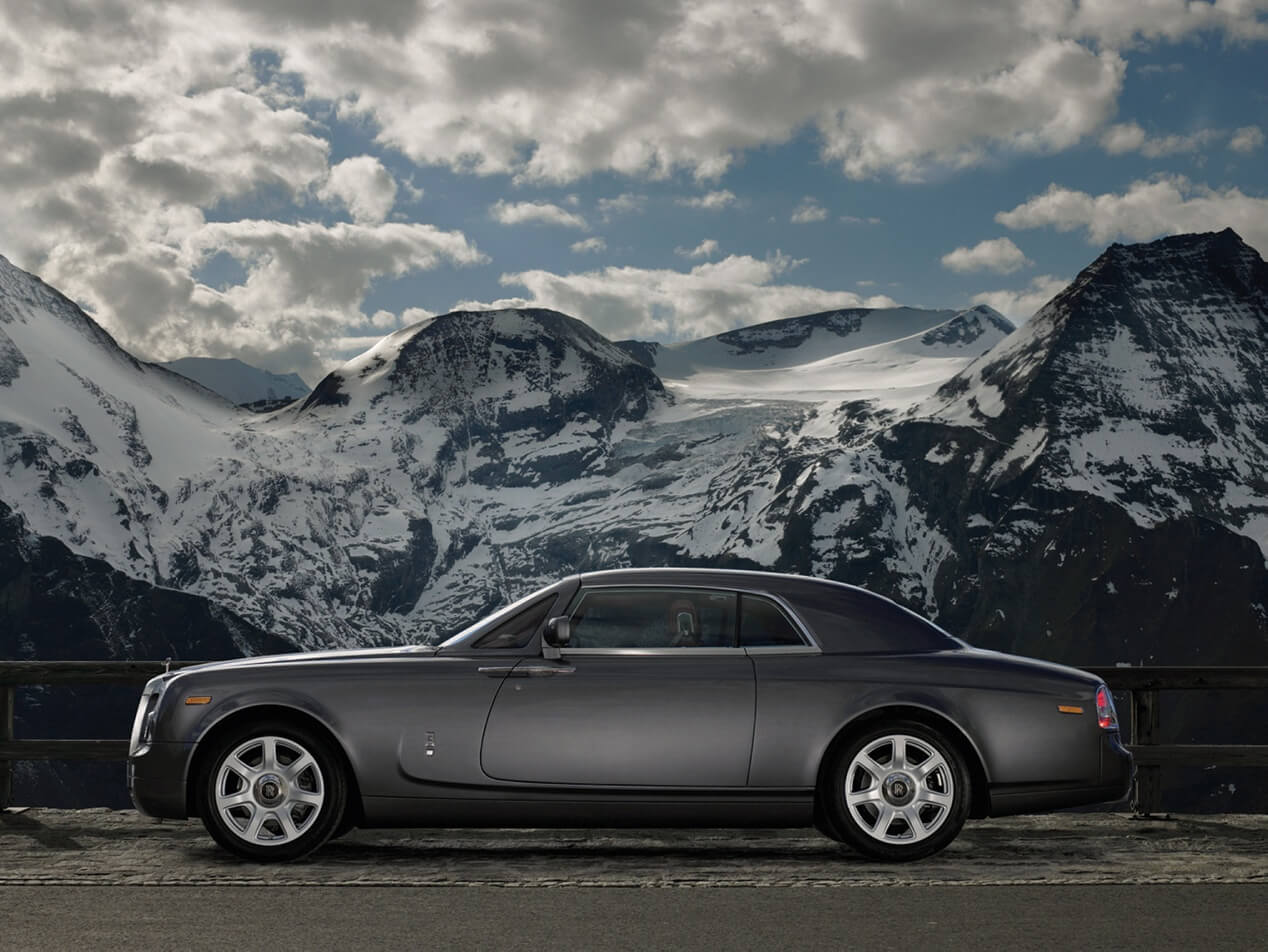
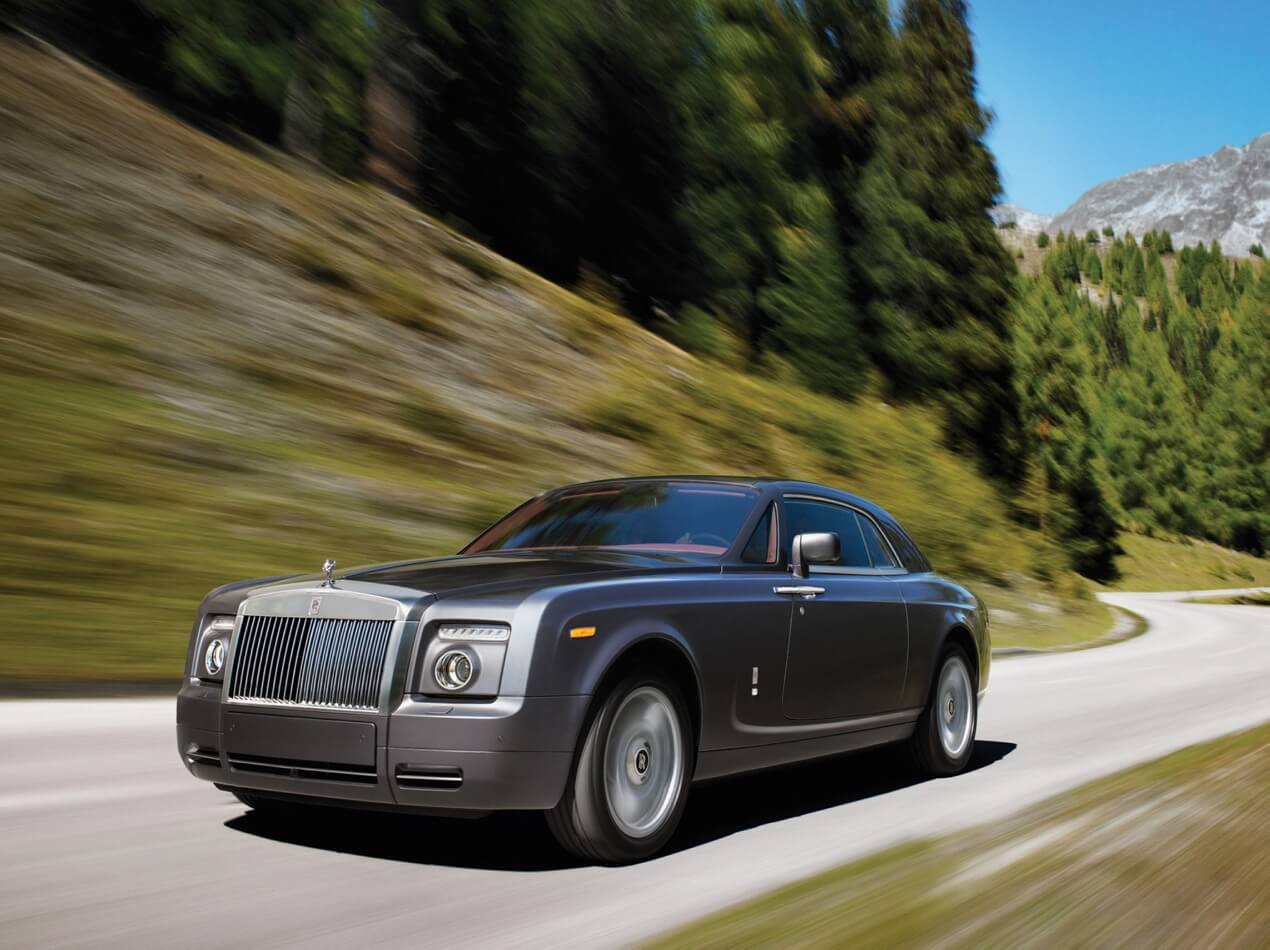
The 6.75-litre V12, based on BMW's N73 engine, produces about 338 kW (460 PS) and 720 Nm, with 75% of the torque available from 1,000 rpm. The car reaches 100 km/h in 5.7 seconds and is limited to 240 km/h. Underneath is an aluminium spaceframe with double-wishbone front suspension and air suspension, which smooths out speed bumps even at speed. The body is 5.8 m long, or 6.1 m for the extended wheelbase. A Drophead Coupé (2007–2017) and Coupé (2008–2017) joined the saloon, and each car took about 450 hours to build.
The interior uses about 450 pieces of hide, more than 40 wooden parts made from many veneer layers and a hidden 8.8-inch screen. The Series II, shown at the Geneva Motor Show in March 2012 under design director Giles Taylor, brought rectangular LED headlights, a new bumper, a larger screen and an 8-speed ZF automatic that cut fuel consumption by about 10%, to 14.8 L/100 km, and CO2 from 388 to 347 g/km.
Phantom VIII (2017 to today)
The Phantom VIII was revealed on 27 July 2017 and shown in London two days later; deliveries began in January 2018. It was the first car on Rolls-Royce's aluminium "Architecture of Luxury" spaceframe, which made the body 30% stiffer.

| Parameter | Standard wheelbase | Extended wheelbase |
|---|---|---|
| Length | 5,762 mm (226.9 in) | 5,982 mm (235.5 in) |
| Wheelbase | 3,552 mm (139.8 in) | 3,772 mm (148.5 in) |
| Width | 2,018 mm (79.4 in) | 2,018 mm (79.4 in) |
| Height | 1,646 mm (64.8 in) | 1,656 mm (65.2 in) |
| Weight | 2,560 kg (5,644 lb) | 2,610 kg (5,754 lb) |
| 0–100 km/h | 5.3 s | 5.4 s |
The 6.75 twin-turbo V12 delivers 420 kW (571 PS) and 900 Nm through a ZF 8-speed automatic that uses satellite navigation data to choose gears, and top speed is limited to 250 km/h. Self-levelling air suspension with electronic dampers, active anti-roll bars and four-wheel steering give the "magic carpet ride"; the rear wheels steer against the front below 60 km/h and with them above 80 km/h. Laser high beams reach more than 600 m.
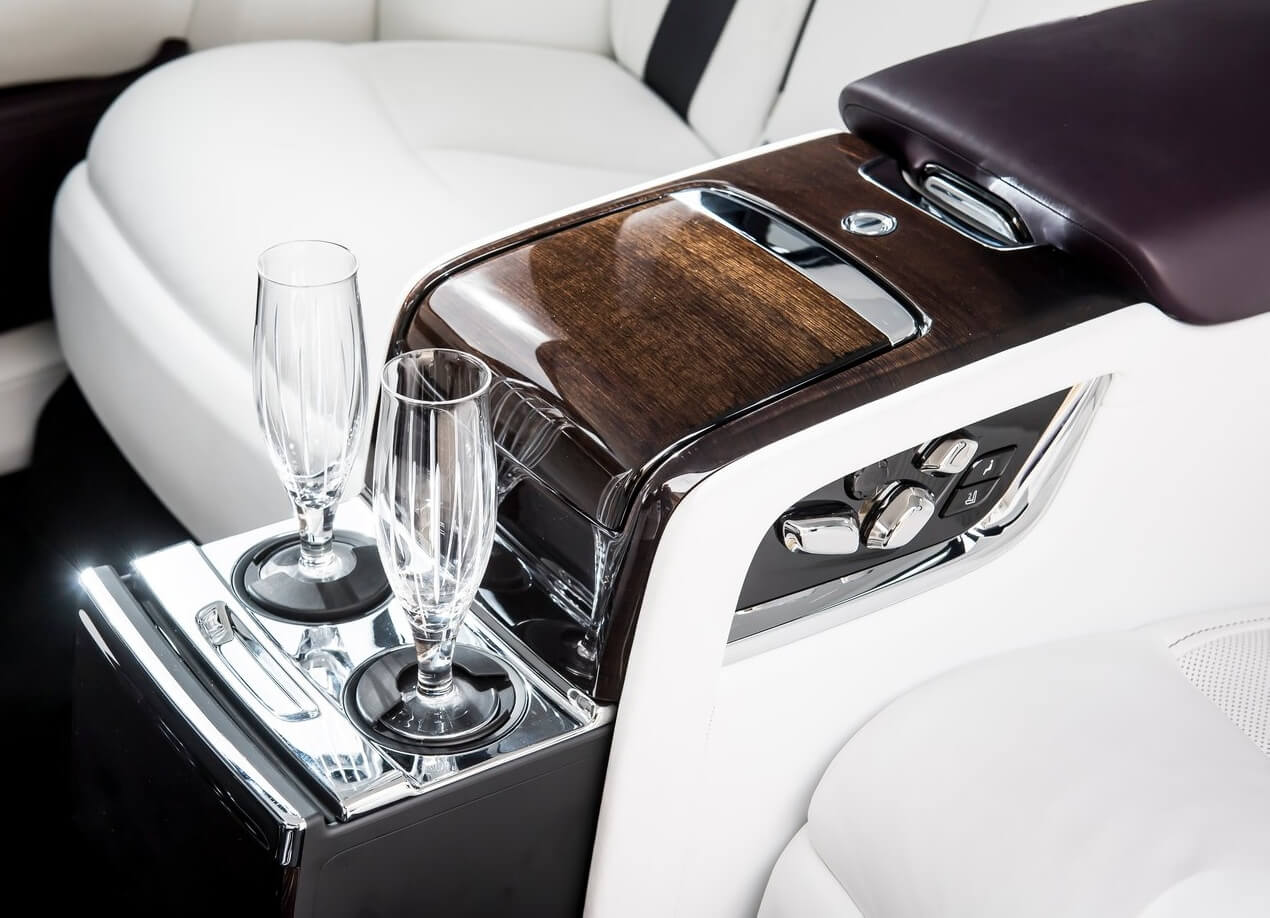
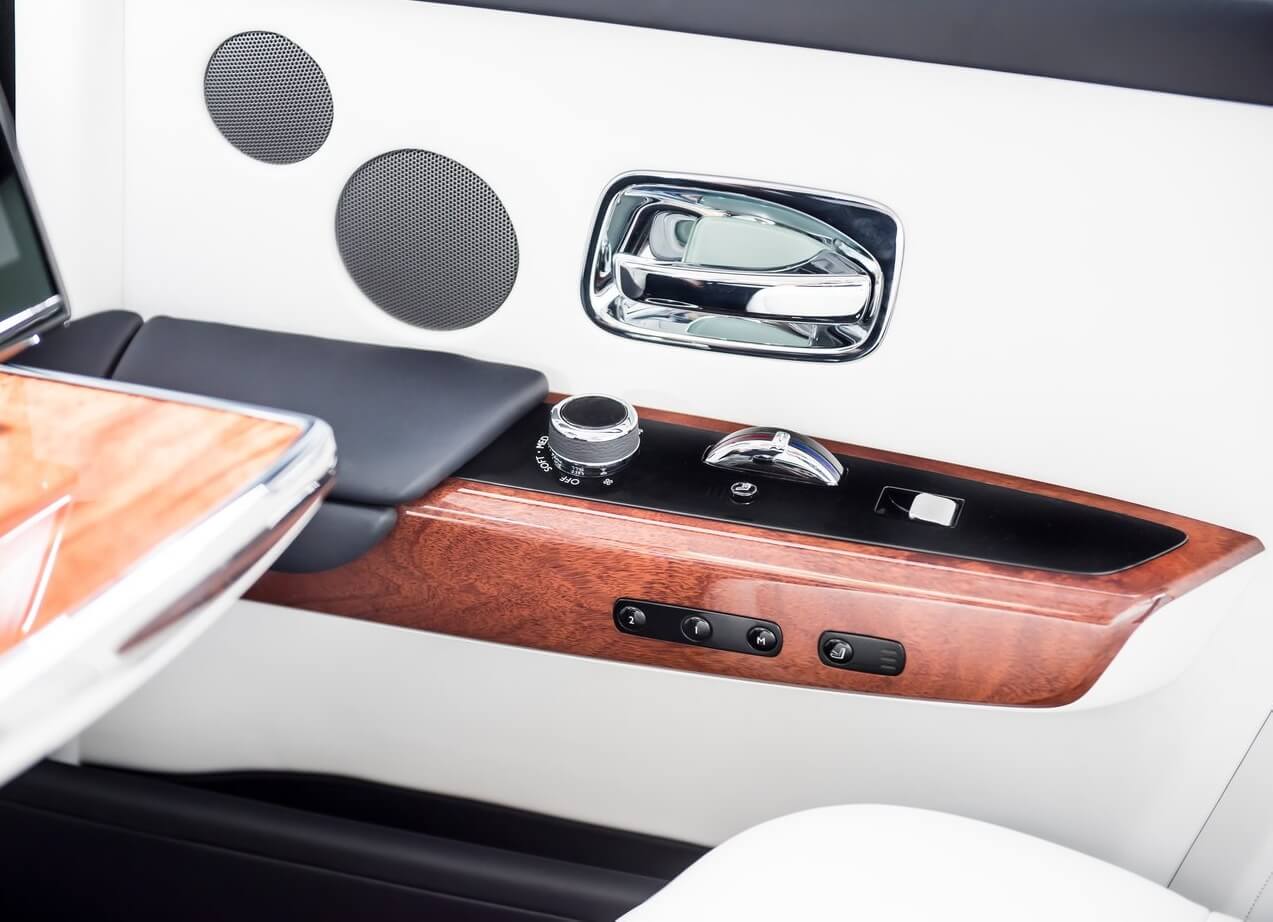
Inside, about 130 kg of sound insulation and 6 mm double glazing make the cabin around 10% quieter than before. The "Gallery" glass-covered dashboard can display works of art chosen by the owner, and the Starlight Headliner uses more than 1,500 fibre-optic points. The Series II, announced in May 2022, brought an illuminated grille surround, revised headlights and new wheels. Annual deliveries ranged from 830 in 2018 to about 400 a year since 2021.
Rivals and legacy
The Phantom has few direct rivals. The Mercedes-Maybach S-Class and the Bentley Mulsanne, built until 2020, are the closest. Over a century, the Phantom has been the choice of monarchs, presidents and celebrities, and its name has never been out of the Rolls-Royce range for long. More British cars are listed among British cars; the story of the related marque is told in the history of Bentley, and the Mercedes-Maybach S600 is one of the Phantom's modern rivals.

Rolls-Royce Phantom evolution in numbers
Did you know?
- The Rolls-Royce Phantom has been around for 101 years: 8 generations in our catalog since 1925.
- The longest-running generation is the Phantom VI (1968–1991): 23 years.
- The biggest jump in power came with the Phantom VII: up to 338 kW (460 PS), 176 kW more than the Phantom VI.
Most powerful version, kW
Figures from the 1cars catalog: power is the strongest version of each generation; generations without the figure are left out.
Rolls-Royce Phantom: first vs latest generation
| Spec | Phantom I | Phantom VIII | Change |
|---|---|---|---|
| Years | 1925–1931 | 2017–present | 92 years apart |
| Most powerful version | 15 kW (20 PS) | 420 kW (571 PS) | +405 kW (+2700%) |
Oldest and newest generation in the 1cars catalog. Power is the strongest version of each; other rows are shown only when both generations have the figure.
Image credits · Photos from Wikimedia Commons under free licences
- Rolls-Royce Phantom I · Photo: bsabarnowl / Flickr, CC BY 2.0
- Rolls-Royce Phantom II · Photo: Dietmar Rabich / Wikimedia Commons, CC BY-SA 4.0
- Rolls-Royce Phantom III · Photo: EGS / Wikimedia Commons, CC BY 2.5
- Rolls-Royce Phantom IV · Photo: Usien / Wikimedia Commons, CC BY-SA 3.0
- Rolls-Royce Phantom V · Photo: Rex Gray from Southern California / Wikimedia Commons, CC BY 2.0
- Rolls-Royce Phantom VI · Photo: Lars-Göran Lindgren Sweden / Wikimedia Commons, CC BY-SA 3.0
Rivals
Compare with…
Compare Rolls-Royce Phantom with
- Mercedes-Benz Maybach S600 quick spec comparison
-
Ended 2017
- Years
- 2015–2017
- Body
- Sedan
- Fuel
- Petrol
- Power
- 335–390 kW (455–530 PS)

Popular comparisons
Rolls-Royce Phantom in our rankings
- No. 1 of 86 · Longest sedans (6,045 mm)
- No. 1 of 80 · Widest sedans (2,007 mm)
- No. 1 of 53 · Heaviest sedans (2,540 kg)
- No. 2 of 420 · Longest cars (6,045 mm)
- No. 18 of 345 · Cars with the most generations (8 generations · top 6%)
- No. 16 of 304 · Heaviest cars (2,540 kg · top 6%)
Longer than 99% of ranked cars in the 1CARS catalog (No. 2 of 420).
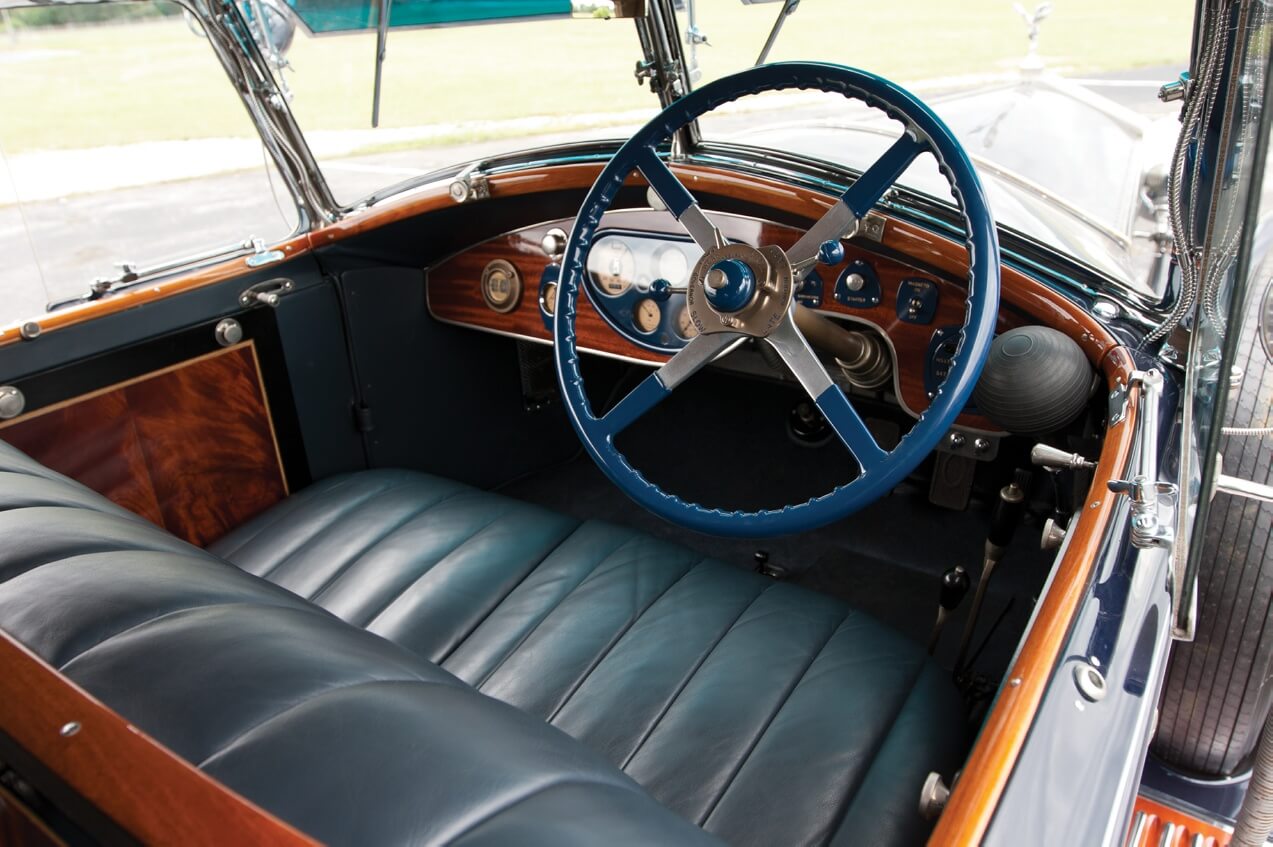
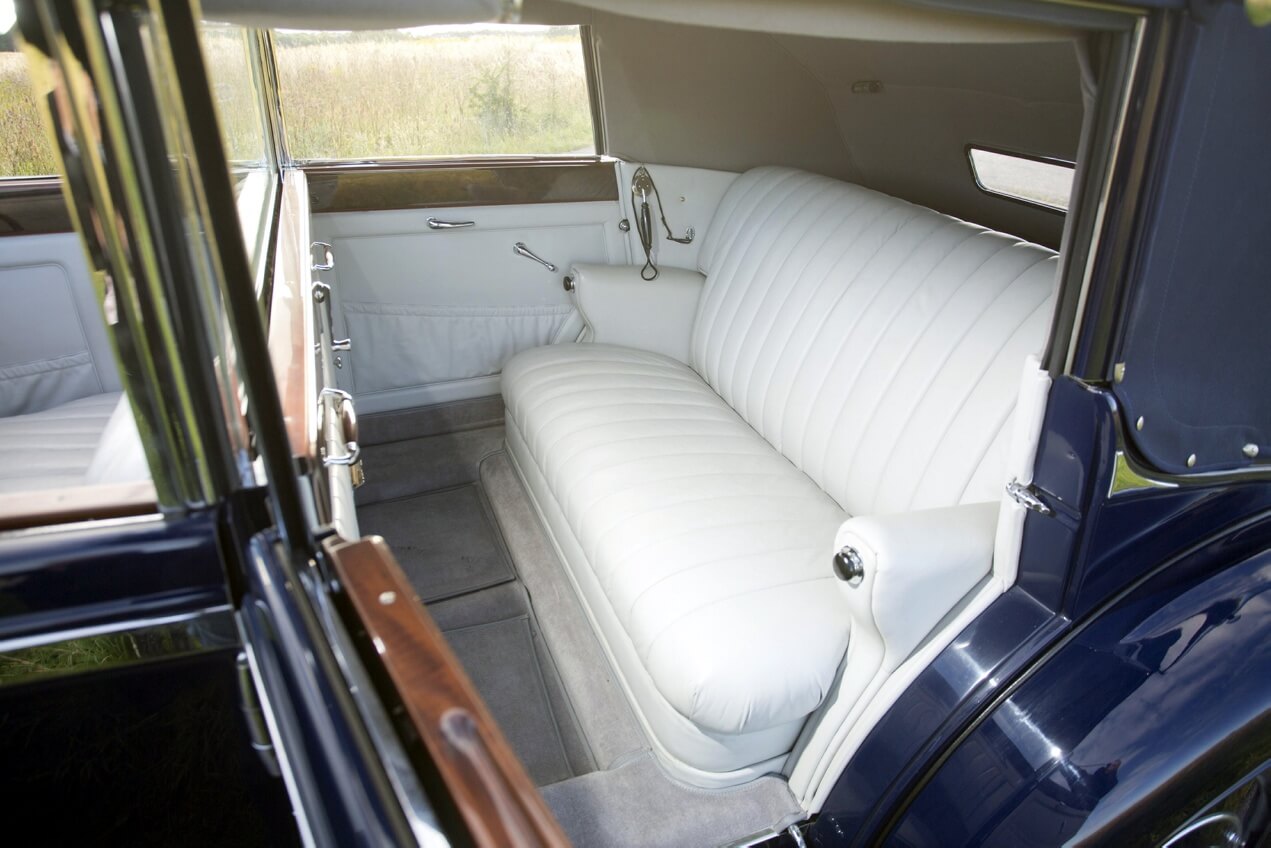
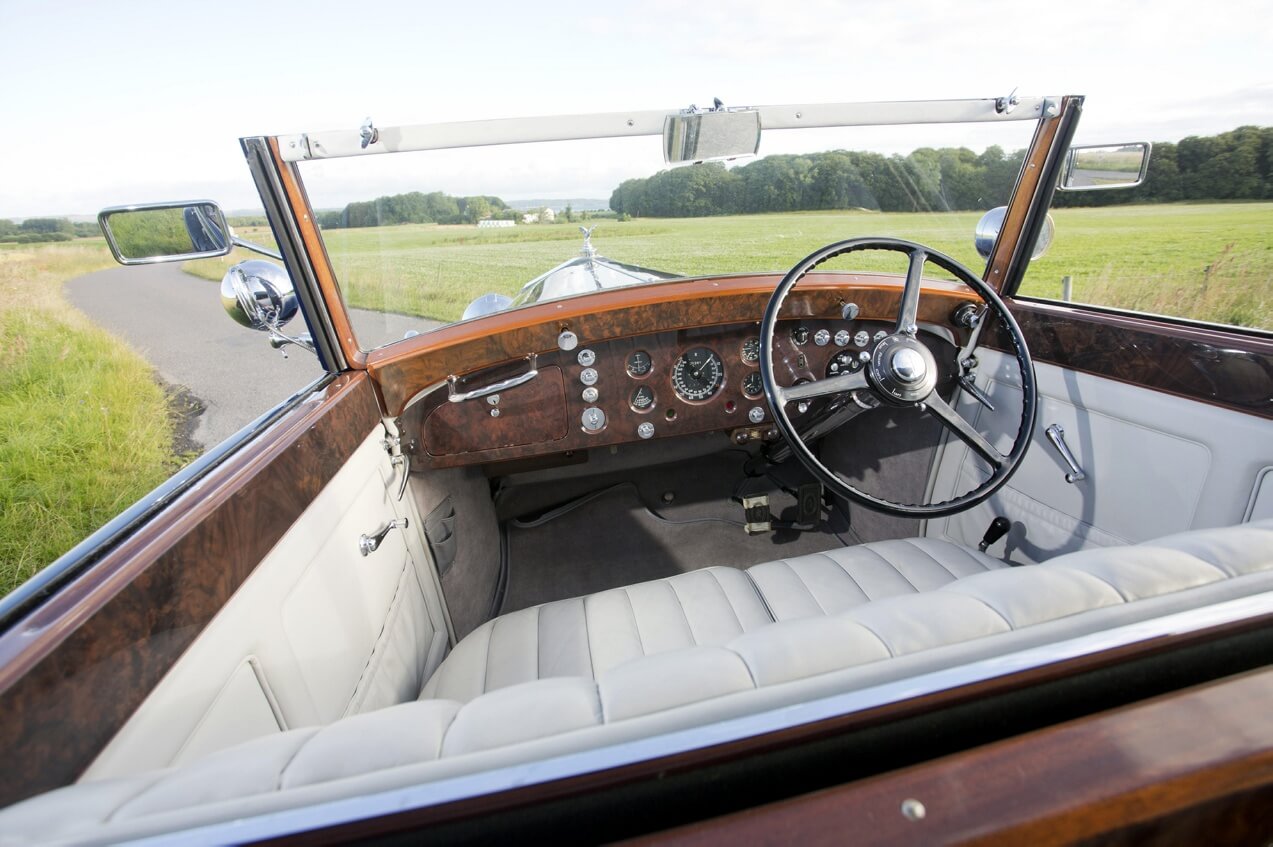
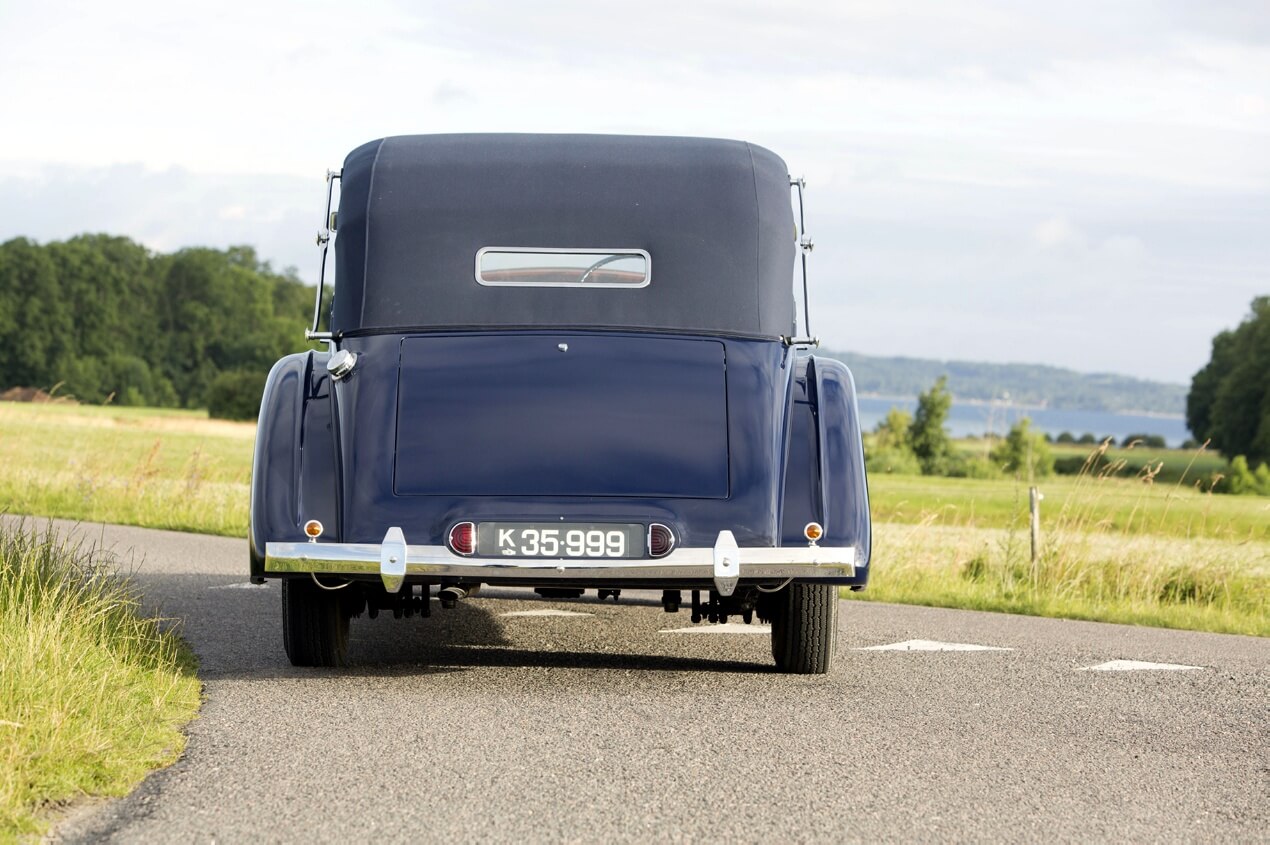
Rolls-Royce Phantom photos 60










Rolls-Royce Phantom videos 5

Rolls-Royce Phantom video 1

Rolls-Royce Phantom video 2

Rolls-Royce Phantom video 3

Rolls-Royce Phantom video 4

Rolls-Royce Phantom video 5
FAQ
How many generations of the Rolls-Royce Phantom are there?
There are eight: Phantom I (1925), II (1929), III (1936), IV (1950), V (1959), VI (1968), VII (2003) and VIII (2017). The name has been used since 1925, longer than any other car nameplate.
What engine does the Rolls-Royce Phantom VIII have?
The Phantom VIII uses a 6.75-litre twin-turbo V12 producing 420 kW (571 PS) and 900 Nm. It reaches 100 km/h in 5.3 seconds and is limited to 250 km/h.
Where is the Rolls-Royce Phantom built?
Since 2003 the Phantom has been built by hand at the Rolls-Royce plant in Goodwood, West Sussex, England. Earlier generations were built in Derby and Crewe, with Phantom I chassis also made in Springfield, USA.
How long is the Rolls-Royce Phantom?
The Phantom VIII is 5,762 mm long with the standard wheelbase and 5,982 mm with the extended wheelbase. Both versions are 2,018 mm wide and weigh about 2.6 tonnes.
Which Phantom was made only for royalty?
The Phantom IV of 1950–1956 was built in just 18 examples and sold only to royalty and heads of state. The first car was delivered to Princess Elizabeth and the Duke of Edinburgh in 1950.
Data sources
Data checked by an editor against the sources below.
- The text of this article (1cars archive)
- Wikipedia - Rolls Royce Phantom
- Wikipedia - Rolls Royce Phantom VII
- Wikipedia - Rolls Royce Phantom VIII
- Wikipedia - Rolls Royce Phantom V
- US EPA fueleconomy.gov - 49331.shtml