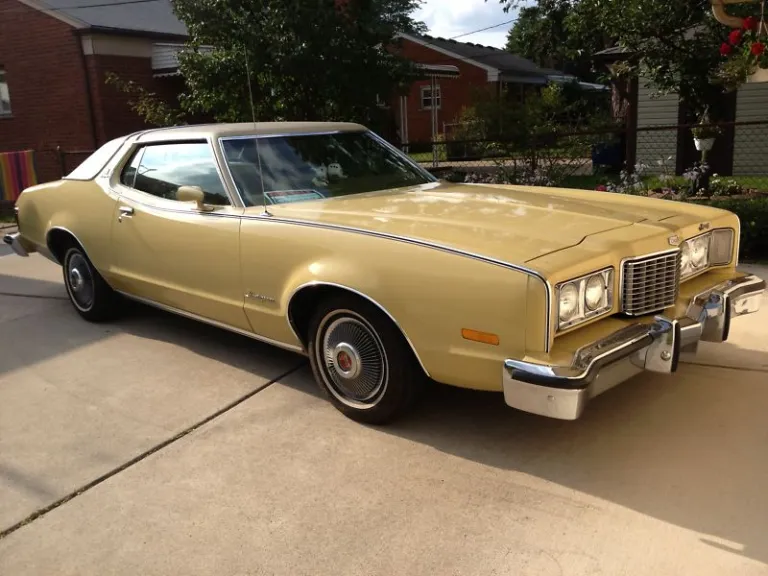
 Mercury Cougar VIII (1998–2002)
Specs, engines, safety and known problems
Updated Published Sources (6) Report an error
By Sarah Whitmore, Senior Automotive Writer Reviewed by Oleksandr Hnatiuk

- Power
- 93–127 kW (126–173 PS)
- Generation
- 8 of 8
Model timeline
Where the VIII sits in the Cougar story
Predecessor Cougar VII (1989–1997)
Newest first · 8 generations since 1967
-
1998
-
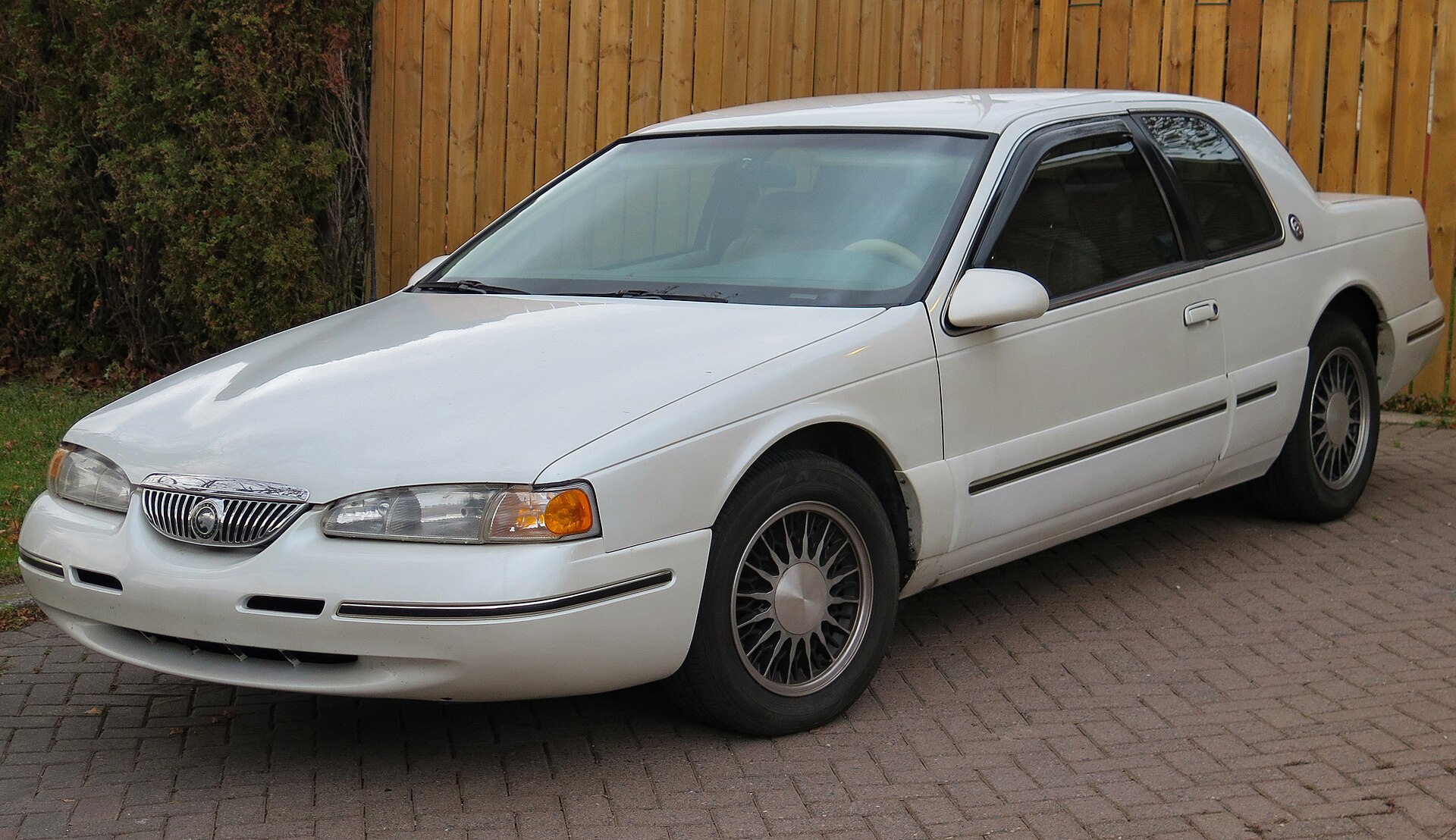
1989
-
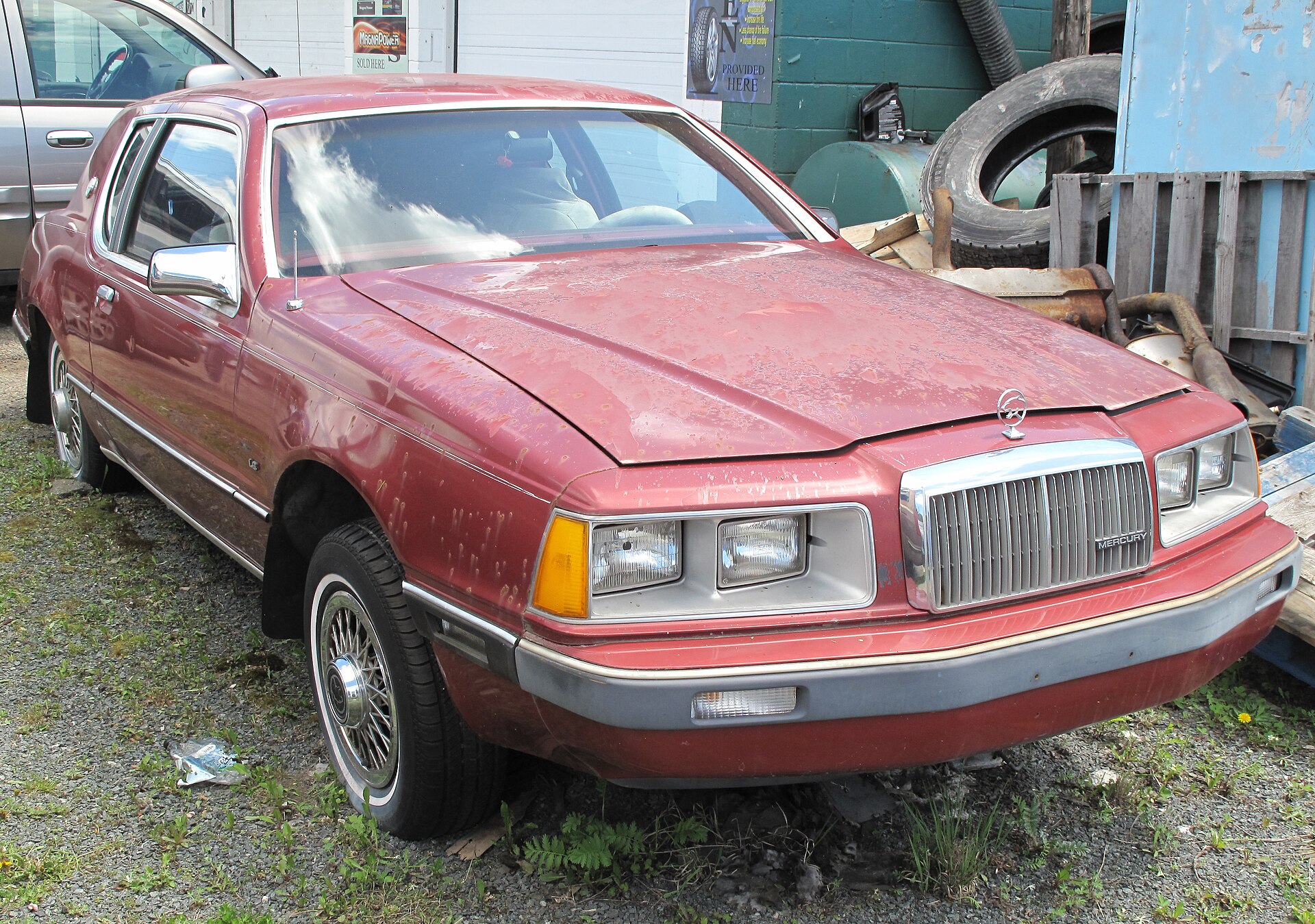
1983
-
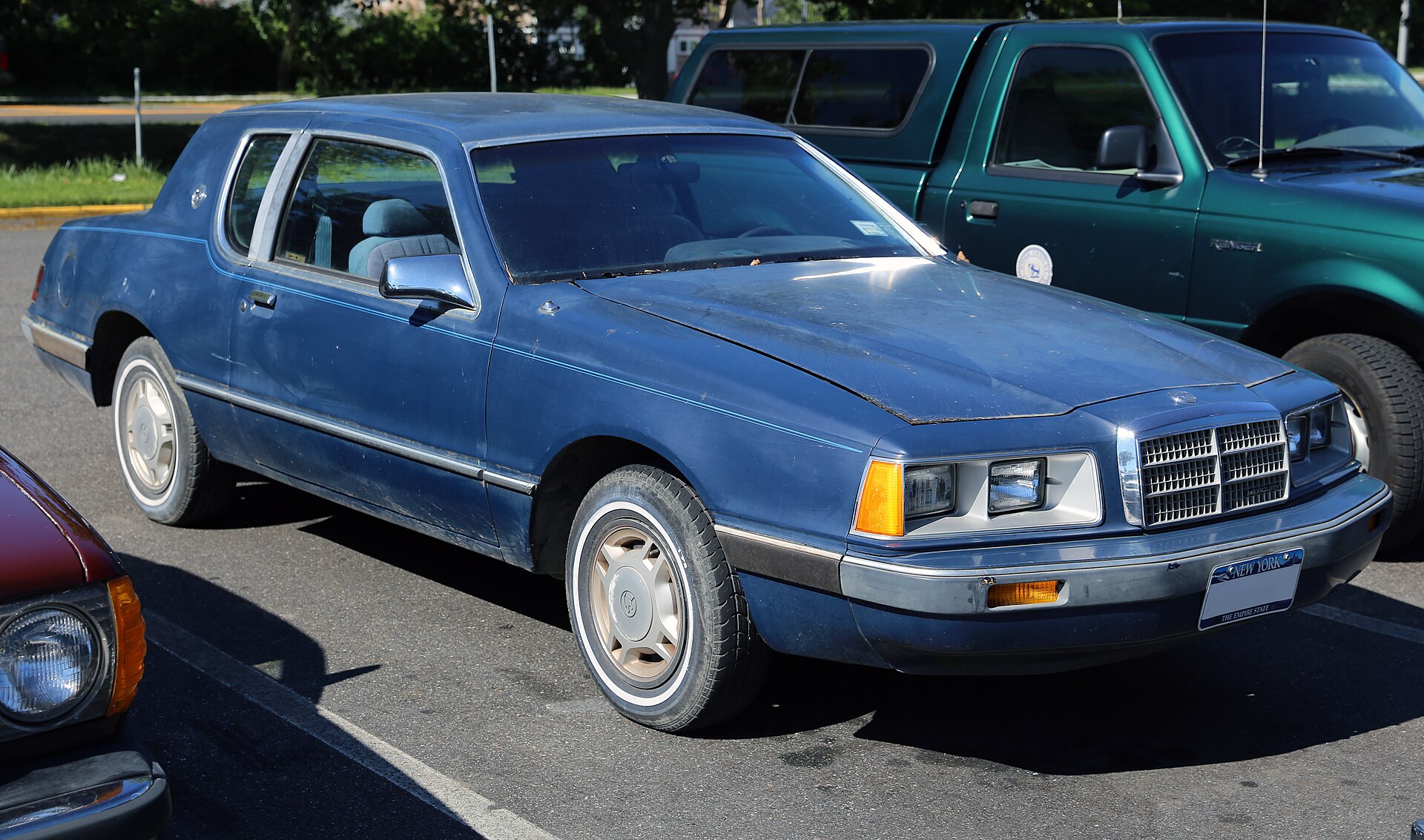
1980
-
1977
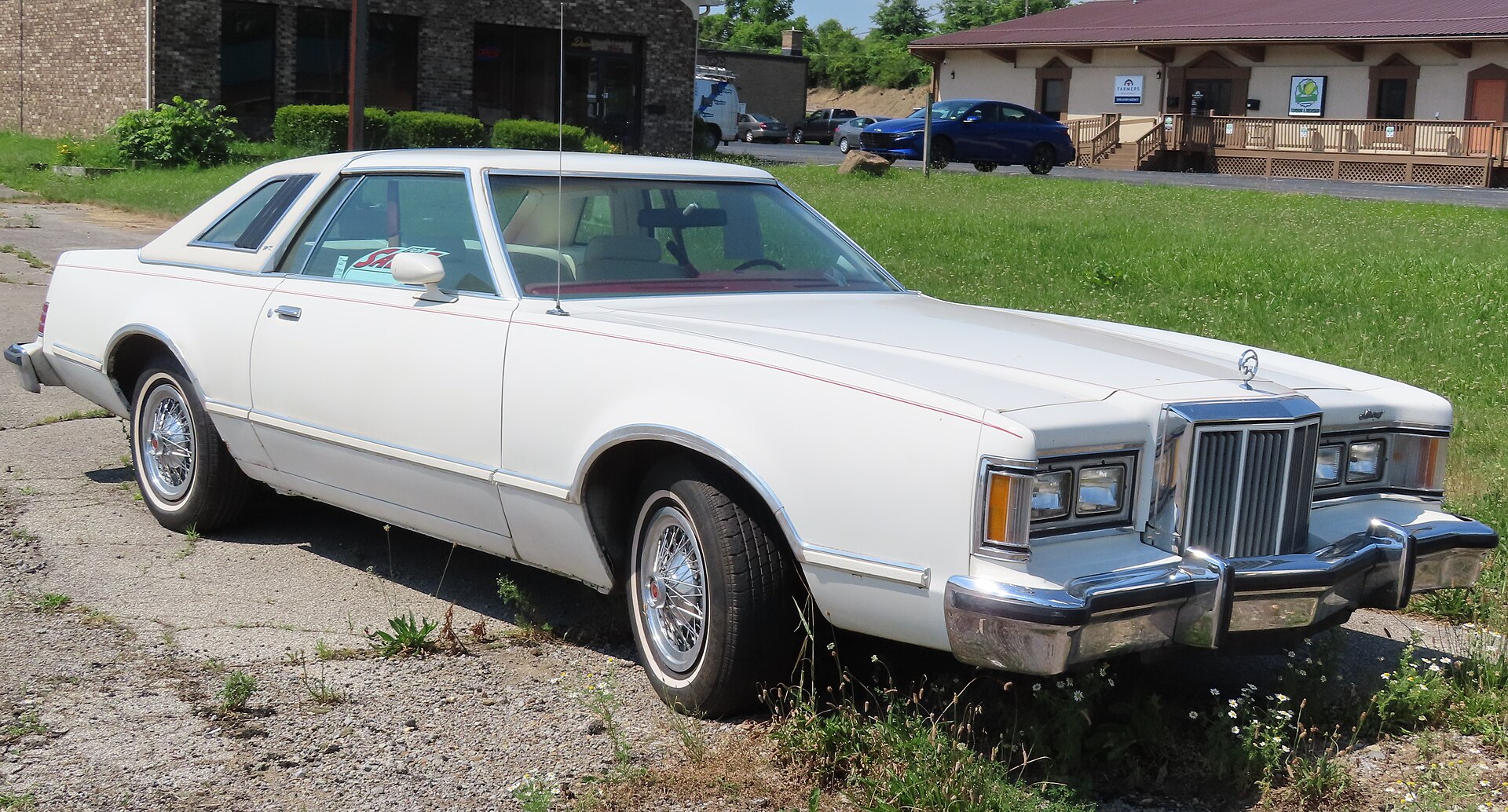
-
1974
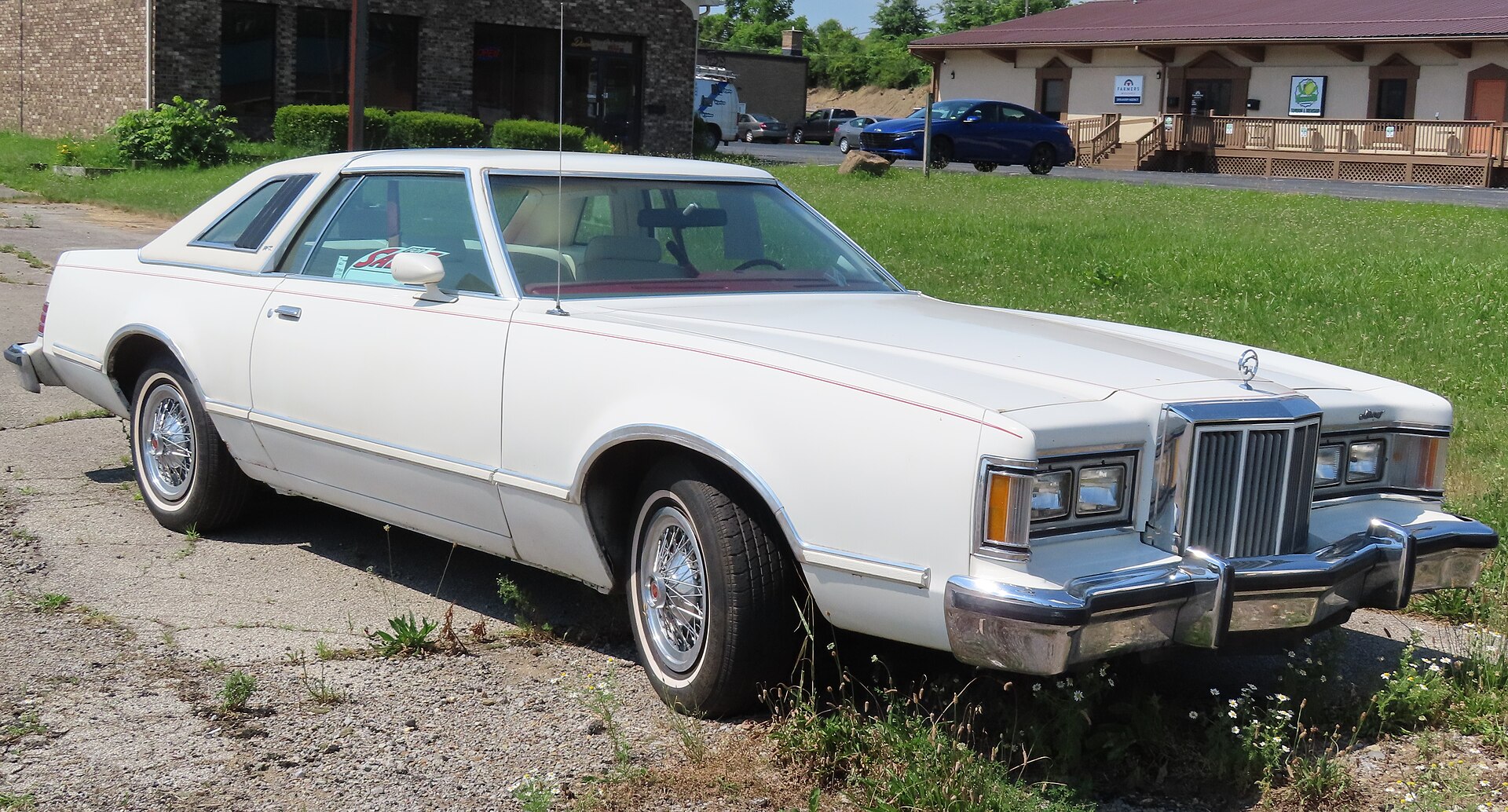
-
1971
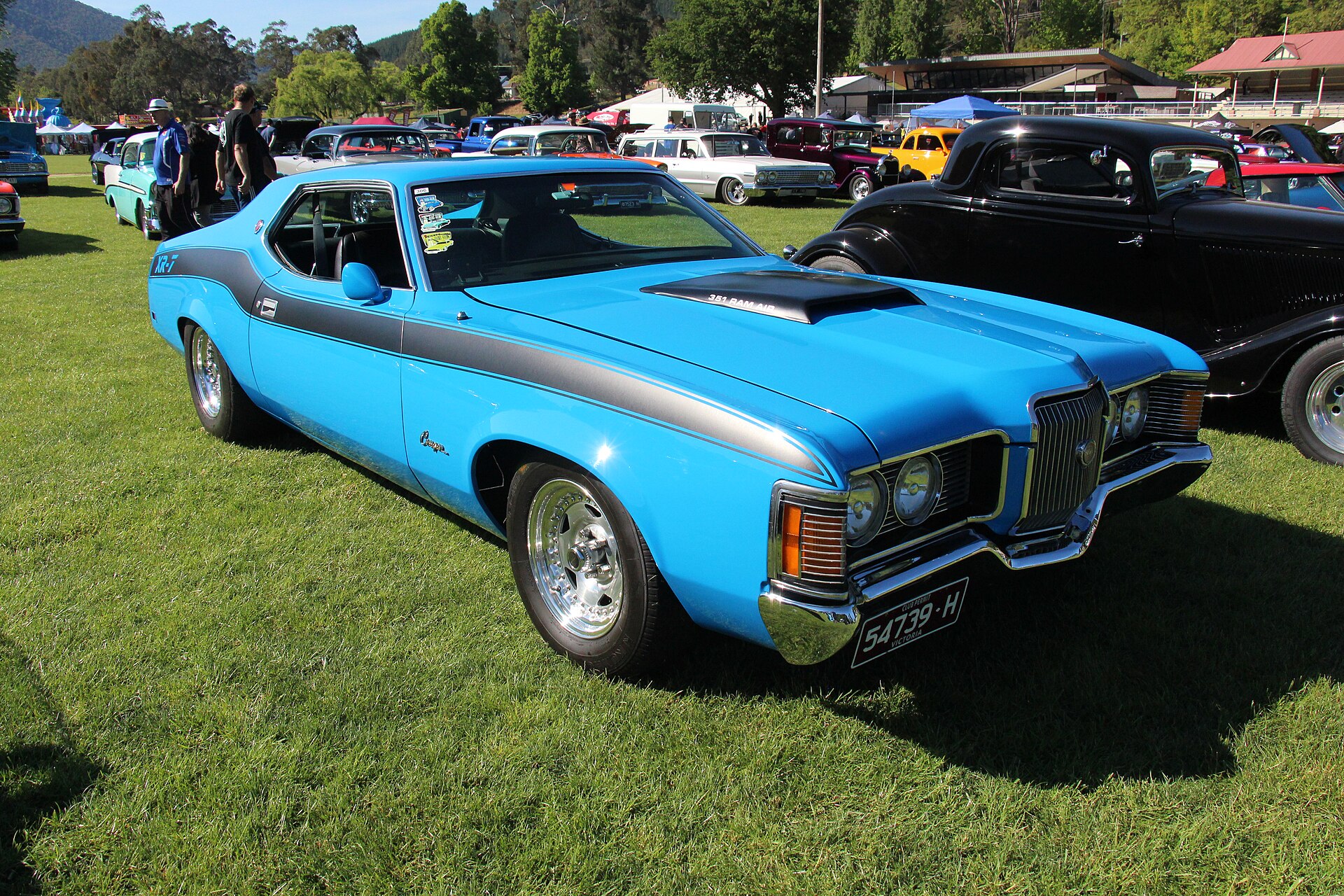
-
1967
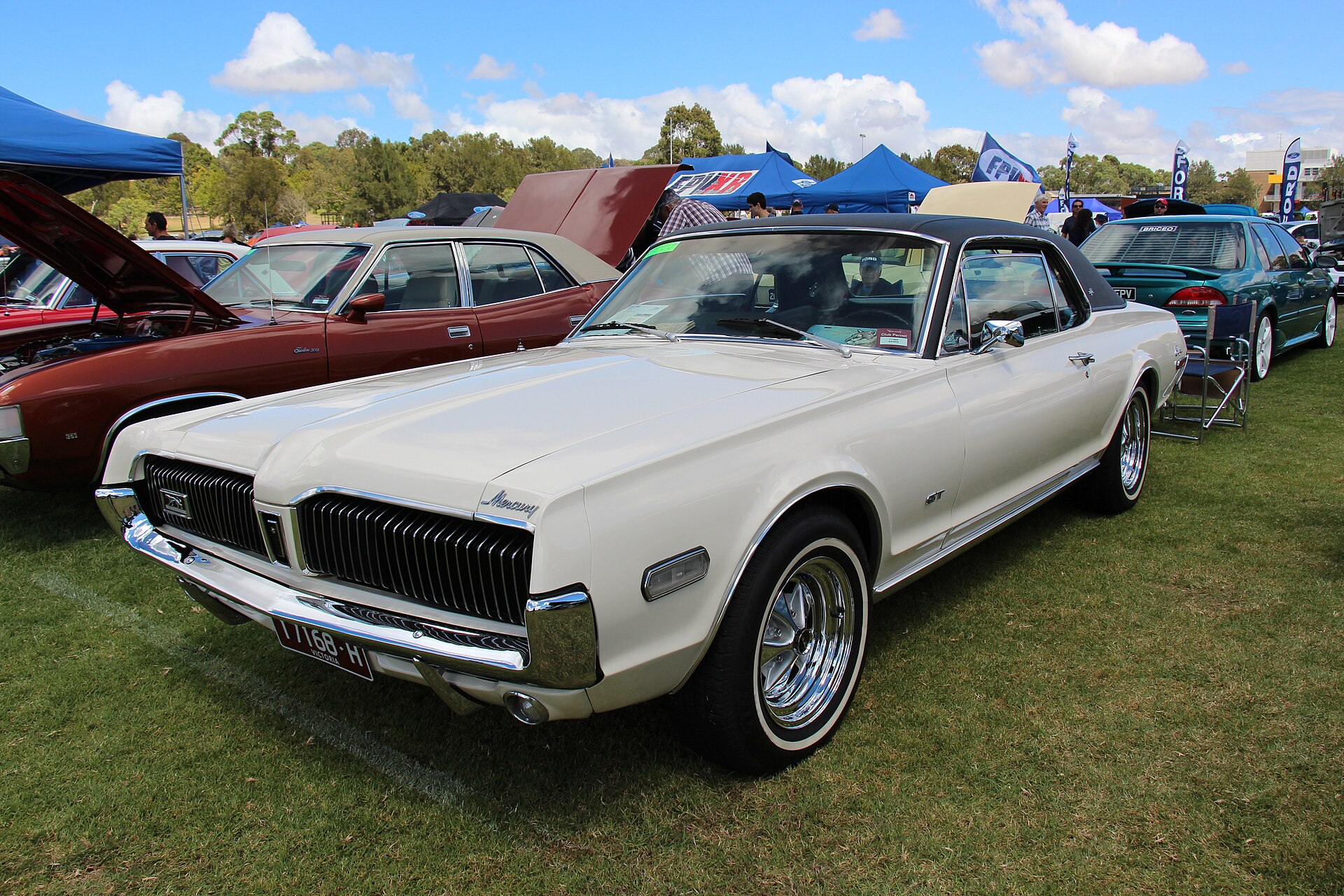


All generations by year: Cougar VIII (1998–2002) · Cougar VII (1989–1997) · Cougar VI (1983–1988) · Cougar V (1980–1982) · Cougar IV (1977–1979) · Cougar III (1974–1976) · Cougar II (1971–1973) · Cougar I (1967–1970)
Which Cougar to buy
Our verdict · Sarah Whitmore
The V6 with a manual gearbox is the best Cougar: it is the quickest version, sounds good and makes the most of the chassis. The four-cylinder is cheaper to run and lighter at the front, but feels slow by modern standards. Collectors look for the Roush Edition, the XR and the 35th Anniversary cars, and the rare four-cylinder automatic. For the rest of the brand's story, see the history of Mercury and the Mercury catalogue.
The eighth-generation Mercury Cougar is a front-wheel-drive three-door coupé built from 1998 to 2002 on the Ford Mondeo platform. Ford sold it as the Mercury Cougar in North America (model years 1999–2002) and as the Ford Cougar in Europe, with a 2.0 Zetec four-cylinder of 93–96 kW or a 2.5 Duratec V6 of 125–127 kW.
In short
- One car, two badges: Mercury in the US and Canada, Ford in Europe and Australia; built in Flat Rock, Michigan.
- Planned as the third-generation Ford Probe; designed by Darrell Behmer in Ford's "New Edge" style.
- US production: 88,288 (1999), 44,935 (2000), 25,044 (2001) and 18,321 (2002) cars.
- Rarest versions: the Roush Edition (112 built) and the four-cylinder automatic (about 500).

Cougar VIII specs by version
Engines
| Version | Engine | Gearbox | Drive | Production years |
|---|---|---|---|---|
| 2 L 4 cyl Manual 5-spd · 2002 (EPA) | 2.0 l · 4 cyl 2,000 cc | 5-sp Manual | Front-wheel drive | 2002 |
| 2 L 4 cyl Manual 5-spd · 2001 (EPA) | 2.0 l · 4 cyl 2,000 cc | 5-sp Manual | Front-wheel drive | 2001 |
| 2 L 4 cyl Manual 5-spd · 2000 (EPA) | 2.0 l · 4 cyl 2,000 cc | 5-sp Manual | Front-wheel drive | 2000 |
| 2 L 4 cyl Automatic 4-spd · 1999 (EPA) | 2.0 l · 4 cyl 2,000 cc | 4-sp Automatic | Front-wheel drive | 1999 |
| 2 L 4 cyl Manual 5-spd · 1999 (EPA) | 2.0 l · 4 cyl 2,000 cc | 5-sp Manual | Front-wheel drive | 1999 |
| 2.5 L 6 cyl Automatic 4-spd · 2002 (EPA) | 2.5 l · 6 cyl 2,500 cc | 4-sp Automatic | Front-wheel drive | 2002 |
| 2.5 L 6 cyl Manual 5-spd · 2002 (EPA) | 2.5 l · 6 cyl 2,500 cc | 5-sp Manual | Front-wheel drive | 2002 |
| 2.5 L 6 cyl Automatic 4-spd · 2001 (EPA) | 2.5 l · 6 cyl 2,500 cc | 4-sp Automatic | Front-wheel drive | 2001 |
| 2.5 L 6 cyl Manual 5-spd · 2001 (EPA) | 2.5 l · 6 cyl 2,500 cc | 5-sp Manual | Front-wheel drive | 2001 |
| 2.5 L 6 cyl Automatic 4-spd · 2000 (EPA) | 2.5 l · 6 cyl 2,500 cc | 4-sp Automatic | Front-wheel drive | 2000 |
| 2.5 L 6 cyl Manual 5-spd · 2000 (EPA) | 2.5 l · 6 cyl 2,500 cc | 5-sp Manual | Front-wheel drive | 2000 |
| 2.5 L 6 cyl Automatic 4-spd · 1999 (EPA) | 2.5 l · 6 cyl 2,500 cc | 4-sp Automatic | Front-wheel drive | 1999 |
| 2.5 L 6 cyl Manual 5-spd · 1999 (EPA) | 2.5 l · 6 cyl 2,500 cc | 5-sp Manual | Front-wheel drive | 1999 |
| 2.0 96 kW (131 PS) Coupe | 2.0 l · Petrol 2,000 cc | - | - | - |
| 2.5 127 kW (173 PS) Coupe | 2.5 l 2,500 cc | - | - | - |
Performance
Show all 13 versions
| Version | Fuel consumption |
|---|---|
| 2 L 4 cyl Manual 5-spd · 2002 (EPA) | 9.8 l/100 km24.0 mpg US · 28.8 mpg UK |
| 2 L 4 cyl Manual 5-spd · 2001 (EPA) | 9.8 l/100 km24.0 mpg US · 28.8 mpg UK |
| 2 L 4 cyl Manual 5-spd · 2000 (EPA) | 9.4 l/100 km25.0 mpg US · 30.1 mpg UK |
| 2 L 4 cyl Automatic 4-spd · 1999 (EPA) | 10.2 l/100 km23.1 mpg US · 27.7 mpg UK |
| 2 L 4 cyl Manual 5-spd · 1999 (EPA) | 9.4 l/100 km25.0 mpg US · 30.1 mpg UK |
| 2.5 L 6 cyl Automatic 4-spd · 2002 (EPA) | 11.2 l/100 km21.0 mpg US · 25.2 mpg UK |
| 2.5 L 6 cyl Manual 5-spd · 2002 (EPA) | 11.2 l/100 km21.0 mpg US · 25.2 mpg UK |
| 2.5 L 6 cyl Automatic 4-spd · 2001 (EPA) | 11.2 l/100 km21.0 mpg US · 25.2 mpg UK |
| 2.5 L 6 cyl Manual 5-spd · 2001 (EPA) | 11.2 l/100 km21.0 mpg US · 25.2 mpg UK |
| 2.5 L 6 cyl Automatic 4-spd · 2000 (EPA) | 11.2 l/100 km21.0 mpg US · 25.2 mpg UK |
| 2.5 L 6 cyl Manual 5-spd · 2000 (EPA) | 11.2 l/100 km21.0 mpg US · 25.2 mpg UK |
| 2.5 L 6 cyl Automatic 4-spd · 1999 (EPA) | 11.2 l/100 km21.0 mpg US · 25.2 mpg UK |
| 2.5 L 6 cyl Manual 5-spd · 1999 (EPA) | 11.8 l/100 km19.9 mpg US · 23.9 mpg UK |
Verified Manufacturer and type-approval data from our catalog · Sources and methodology
Mercury Cougar at a glance
The Cougar name had been on Mercury cars since 1967, first on a pony car based on the Ford Mustang and later on large personal-luxury coupés. The 1999 car was a complete break: a compact sports hatchback with front-wheel drive, unveiled at the 1998 Los Angeles Auto Show for North America. Ford had first shown the same car in Britain in July 1998 at the British Grand Prix at Silverstone, and European sales began in December 1998.

Ford originally developed the car as the next Probe. When it reduced its range of coupés in the US, Ford handed the project to Mercury and the Cougar name instead. It shared its platform with the Ford Mondeo and the North American Contour and Mystique saloons; the European side of that family is covered in the Ford Mondeo page.
| Parameter | Metric | Imperial |
|---|---|---|
| Body | 3-door liftback coupé, 4 seats | – |
| Length | 4,699 mm | 185.0 in |
| Wheelbase | 2,704 mm | 106.5 in |
| Width / height | 1,769 / 1,308 mm | 69.6 / 51.5 in |
| Kerb weight (EU) | 1,315–1,410 kg | 2,899–3,109 lb |
| Layout | Front engine, front-wheel drive | – |
| Plant | Flat Rock, Michigan (European cars finished in Cologne) | – |
Engines and performance
Two engines were offered. The 2.0-litre Zetec four-cylinder is rated at 93 kW (125 hp) in the US and 96 kW (130 PS) in Europe, with 178 Nm at 4,000 rpm. The 2.5-litre Duratec V6 is rated at 127 kW (170 hp) in the US and 125 kW (170 PS) in Europe, with 220 Nm at 4,250 rpm. The V6 had 2,544 cc at first and 2,495 cc from June 2000.

| Version | Power | 0–100 km/h | Top speed | CO2 (EU) |
|---|---|---|---|---|
| 2.0 16V Zetec, manual | 96 kW (130 PS) | 10.3 s | 209 km/h (130 mph) | 202 g/km |
| 2.5 24V Duratec V6, manual | 125 kW (170 PS) | 8.6 s | 225 km/h (140 mph) | 228 g/km |
| 2.5 24V Duratec V6, automatic | 125 kW (170 PS) | 10.4 s | 206 km/h (128 mph) | 240 g/km |
The manual gearbox is Ford's five-speed MTX-75, and the automatic is the four-speed CD4E. On our power-to-weight calculation, the European V6 manual carries about 11.1 kg per kW and the 2.0 about 13.7 kg per kW, which explains the 1.7-second gap to 100 km/h; try other cars in the power-to-weight calculator. In the US buyers could combine the automatic with either engine, but so few chose the four-cylinder automatic that only about 500 are believed to exist. Mercury showed a more powerful Cougar S, and the press discussed it, but it never reached production.
Mondeo underpinnings and handling
The Cougar uses MacPherson struts at the front and the Mondeo's multi-link Quadralink rear suspension. Ford tuned it with firmer springs and dampers than the Mondeo, and road testers praised the way it put its power down and handled twisting roads. The V6 Sport package in the US added four-wheel vented disc brakes taken from the Ford Contour SVT, 16-inch alloy wheels, fog lamps and a higher speed limiter. Car and Driver was less happy with the driver's seat on long journeys.

Cabin, space and equipment
Inside, the Cougar has four seats and a large rear hatch, which makes it more practical than most coupés: the boot is big enough for a family's weekly shopping or holiday luggage. The dashboard follows the curved New Edge theme of the exterior, with round air vents. European cars came in two trim levels, roughly equal to the Mondeo Ghia and Ghia X. Standard equipment included 16-inch alloy wheels, driver, passenger and side airbags, anti-lock brakes, remote central locking and an alarm. The X-Pack for the V6 added leather, heated front seats, a six-way electric driver's seat and a six-disc CD changer.

US cars had fewer standard items but could be ordered with air conditioning, cruise control and leather. European cars often had dual-zone climate control and headlamp levelling.
Special editions and model-year changes
For the 2001 model year the Cougar received new headlamps, revised front and rear bumpers and updated cabin trim. Mercury used a series of colour-themed editions to keep interest high as sales fell.

| Edition | Years | Details |
|---|---|---|
| Roush Edition | 1999–2000 | 112 built, mostly white or silver, Roush body kit |
| Special Edition | 2000 | Zinc Yellow paint, yellow-stitched leather |
| Zn | 2001 | Zinc Yellow, bonnet scoop and spoiler |
| C2 | 2001–2002 | French Blue, Silver Frost or Vibrant White, blue cabin accents |
| XR | 2002 | Black or XR Racing Red, special seats, 17-inch wheels |
| 35th Anniversary | 2002 | Laser Red, French Blue, Satin Silver or Black, leather, 17-inch wheels |
Production, sales and why it ended
The Cougar started strongly in the US, with 88,288 cars built for the 1999 model year, but production fell to 18,321 by 2002. In Britain, about 12,000 were sold in the first two years, far fewer than the Ford Capri had managed in its prime, and Ford withdrew the car from the UK in February 2001. European sales ended in August 2002, and the last car was built on 9 August 2002. Australian sales, which used only the V6, continued until March 2004.

The main reason for the end was the platform. The Contour and Mystique saloons had stopped in 2000, so the Cougar was the last North American car on the Mondeo base. Ford did not replace it, and Mercury itself was closed in 2011.
Crash ratings and age-related checks
The IIHS did not crash-test the 1999–2002 Cougar; its related Contour and Mystique saloons were rated poor in the frontal offset test. Euro NCAP did not publish a Cougar result. Mechanically, the Duratec V6 and the Zetec are simple, well-known Ford engines, but the cars are now more than 20 years old. Check for rust on the rear arches and sills, compare the car's figures with others in the specifications section, worn suspension bushes, the condition of the automatic gearbox and the state of the cooling system on the V6.

Coupés it competed with
When new, the Cougar competed with other front-wheel-drive coupés such as the Honda Prelude, the Toyota Celica and the Honda Civic Si in the US, and the Peugeot 406 Coupé, the Alfa Romeo GTV and, until 1997, the Opel Calibra in Europe. It was larger and more practical than most of them, though not as sharp to drive as the best Japanese coupés. To see how it compares with other coupés of the period, use the 1cars comparison tool.
Did you know?
- The Cougar VIII is generation 8 of 8 of the Mercury Cougar in our catalog.
- The Cougar VIII offers up to 127 kW (173 PS) - 30 kW less than the Cougar VII (1989–1997) (−19%).
Image credits · Photos from Wikimedia Commons under free licences
- Mercury Cougar IV · Photo: MercurySable99 / Wikimedia Commons, CC BY-SA 4.0
- Mercury Cougar VI · Photo: Elise240SX / Wikimedia Commons, CC BY-SA 4.0
Mercury Cougar VIII photos 15


FAQ
Is the Mercury Cougar the same as the Ford Cougar?
Yes. The 1998–2002 car was sold as the Mercury Cougar in North America and as the Ford Cougar in Europe and Australia. Both were built in Flat Rock, Michigan, on the Ford Mondeo platform, with small differences in engines and equipment.
What engines does the Mercury Cougar have?
A 2.0-litre Zetec four-cylinder with 93 kW (125 hp) in the US or 96 kW (130 PS) in Europe, and a 2.5-litre Duratec V6 with 127 kW (170 hp) in the US or 125 kW (170 PS) in Europe.
What is the fuel consumption of the Cougar?
European CO2 figures were 202 g/km for the 2.0 and 228–240 g/km for the V6, which means roughly 8.5 to 10 l/100 km in the combined cycle. Real-world use depends heavily on driving style.
Is the Mercury Cougar front- or all-wheel drive?
Front-wheel drive only. The eighth generation was the first front-wheel-drive Cougar; all earlier Mercury Cougars from 1967 to 1997 drove the rear wheels. There was no four-wheel-drive or hybrid version.
How many Mercury Cougars were made?
US production for the four model years was 88,288 (1999), 44,935 (2000), 25,044 (2001) and 18,321 (2002), about 176,600 in total. European Ford Cougars were counted separately.
Data sources
Data checked by an editor against the sources below.
- The text of this article (1cars archive)
- Wikipedia - Mercury Cougar
- US EPA fueleconomy.gov - 17579.shtml
- US EPA fueleconomy.gov - 17578.shtml
- US EPA fueleconomy.gov - 17580.shtml
- US EPA fueleconomy.gov - 16653.shtml